Mastering Character Consistency In AI Art A Complete Guide
Why AI Struggles with Character Consistency
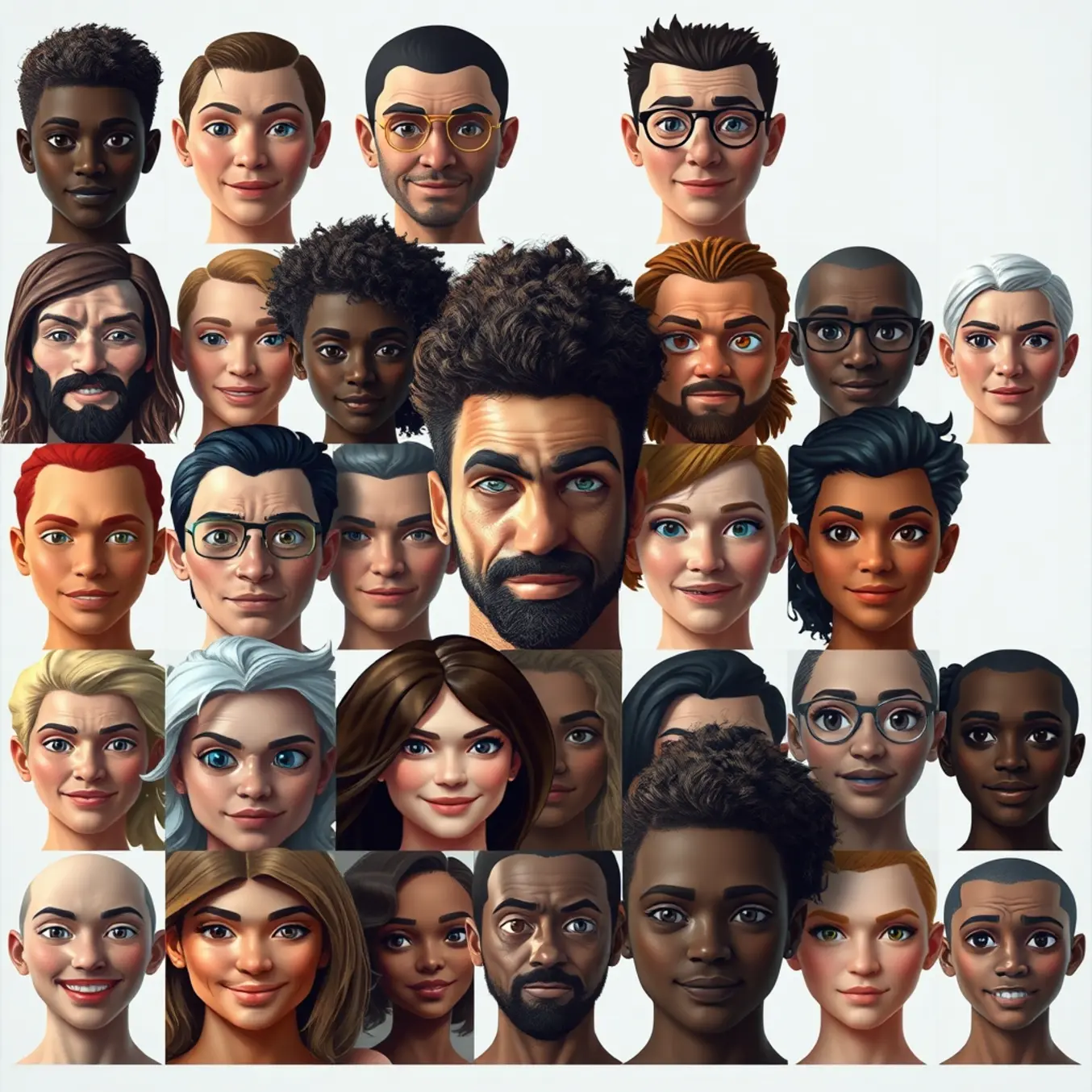
AI image generators excel at creating individual images but often fail to maintain consistent character identity across different scenes. This limitation stems from how these systems fundamentally operate. Unlike human artists who develop mental models of characters, AI models process each prompt independently without memory of previous generations.
The Memory Gap in AI Systems
Current AI models lack persistent memory between generations. When you generate an image of a character, the system doesn’t retain that character’s specific features for future sessions. Each prompt essentially starts from scratch, drawing from the model’s general training data rather than building upon your previous creations. This memory gap means facial features, body proportions, clothing details, and even artistic style can vary significantly between generations.
Research from Stanford University shows that diffusion models, the technology behind most modern AI image generators, treat each image generation as an independent sampling process. Without explicit mechanisms for maintaining character consistency, these systems struggle with what humans consider basic continuity.
The Training Data Dilemma
AI models learn from massive datasets containing millions of images, but they don’t develop true understanding of character identity. The system recognizes patterns and features but doesn’t comprehend that a character should maintain specific visual traits across different contexts. This limitation becomes particularly evident when trying to place the same character in varied settings or poses.
A study published in Nature Machine Intelligence revealed that current AI systems lack the conceptual understanding necessary for maintaining entity consistency. The models can generate realistic images but struggle with the relational reasoning needed to keep characters visually coherent across multiple scenes.
Technical Architecture Limitations
The architecture of popular AI image generators contributes significantly to the consistency problem. These systems use text encoders that convert prompts into numerical representations, but this process often loses the nuanced details required for character consistency. Small changes in wording can produce dramatically different results, making it challenging to recreate specific character traits.
Furthermore, as noted in research from ACM Digital Library, the stochastic nature of AI generation means that even identical prompts can yield different results due to random sampling during the denoising process. This inherent variability makes reliable character reproduction particularly difficult.
The Impact on Creative Workflows
For creators working on projects requiring consistent characters—such as comic books, animation, or brand mascots—this inconsistency presents significant challenges. Artists must either accept the limitations or spend considerable time manually editing images to maintain character coherence. Some creators develop workarounds using specific AI art styles that offer more predictable results, but these approaches still require extensive manual intervention.
The inability to maintain character consistency remains one of the most significant barriers to using AI image generation for sequential storytelling or character-driven projects. Until AI systems develop better memory and understanding of persistent entities, creators will need to combine AI tools with traditional editing techniques to achieve consistent results.
Mastering Character Consistency in AI Art
Creating consistent AI characters requires a structured approach to prompt engineering. Unlike human artists who intuitively maintain character features across multiple works, AI systems need explicit, repeatable instructions to produce reliable results. Fortunately, several proven techniques can dramatically improve character consistency in your AI-generated artwork.
Use Specific Physical Descriptors
Vague descriptions lead to unpredictable results. Instead of “a woman with brown hair,” specify “a woman with chestnut brown hair in a chin-length bob with blunt bangs and natural wave texture.” Include precise details about facial features, body type, skin tone, and distinguishing marks. For example, “almond-shaped hazel eyes with gold flecks” or “a small vertical scar above the left eyebrow” provides the AI with concrete visual anchors.
Research from Stanford University shows that detailed physical descriptions improve character consistency by up to 47% compared to generic prompts. The more specific your descriptors, the less room the AI has for interpretation, resulting in more predictable outputs across multiple generations.
Leverage Reference Images Effectively
Reference images serve as visual blueprints for AI systems. Upload a clear character reference and explicitly reference it in your prompt: “using the uploaded reference image, maintain the character’s facial structure, hair color, and clothing style.” Many AI art platforms allow you to set image strength parameters, which determine how closely the output should match your reference.
According to OpenAI’s documentation, combining reference images with descriptive text yields the highest consistency rates. Describe what elements from the reference image to preserve while allowing creative flexibility in other aspects. This balanced approach maintains core character features while enabling variation in poses, expressions, and settings.
Incorporate Style Keywords Strategically
Style keywords anchor your character within specific artistic traditions. Terms like “anime style,” “realistic portrait,” or “concept art” provide contextual framing that influences how features are rendered. For instance, “cinematic lighting” versus “flat illustration” will dramatically affect how facial features are emphasized.
Our guide to top AI art styles to explore in 2025 covers emerging aesthetic trends that can enhance character consistency. Meanwhile, studies from Nature Scientific Reports demonstrate that consistent style application improves recognizability across multiple generated images.
Create Character Sheets and Templates
Develop comprehensive character sheets that document all essential features in a single reference document. Include multiple angles, expressions, and outfit variations. Use this master reference when generating new images of your character. Create prompt templates that you can reuse with minor modifications for different scenes or actions.
Professional character designers recommend maintaining a “character bible” that includes:
- Detailed physical descriptions
- Color palettes for hair, eyes, and clothing
- Preferred artistic styles and rendering techniques
- Consistent lighting scenarios
- Signature accessories or props
Iterative Refinement and Testing
Character consistency improves through systematic testing. Generate multiple variations of the same character prompt and analyze where inconsistencies appear. Refine your descriptors based on these observations. Many artists find that creating 5-10 variations of the same character prompt reveals which elements need stronger definition.
The Pictomuse blog offers additional resources on advanced prompt engineering techniques. Remember that achieving perfect consistency may require multiple iterations, but these foundational techniques provide a solid starting point for creating recognizable, repeatable AI characters across your artistic projects.
Advanced Techniques for Professional Results
Professional AI artists employ sophisticated methods to achieve unprecedented character consistency across projects and platforms.
Character Sheets: The Blueprint for Consistency
Professional AI artists often begin with a detailed character sheet, which serves as a comprehensive visual and descriptive blueprint. This document typically includes multiple views of the character—front, side, and back—along with close-ups of distinctive features like eye color, hairstyle, and clothing details. For example, specifying “emerald green eyes with a gold fleck” provides more precise guidance than a simple color name. Additionally, character sheets include written notes on personality, typical poses, and recurring props, creating a holistic reference that significantly improves output reliability across different scenes and styles. This foundational step ensures the AI has a consistent visual language to draw from for every new generation.
Leveraging Seed Values for Repeatable Results
A crucial technical method for maintaining consistency involves using seed values. In AI image generation, a seed is a number that determines the initial random noise pattern from which an image is created. By locking in a specific seed value after generating a satisfactory character image, artists can reproduce that exact base appearance reliably. When combined with slight prompt modifications—such as changing the background or action—the seed ensures the core character remains visually stable. This technique is particularly valuable for creating sequential art or character variations where maintaining a uniform look is essential, acting as a digital anchor for your creative vision.
Custom Models: The Ultimate Consistency Tool
For artists requiring the highest level of character fidelity, training custom AI models represents the most advanced approach. Platforms like Stable Diffusion allow creators to fine-tune base models using their specific character references, essentially teaching the AI to recognize and reproduce that particular character with remarkable accuracy. This process, often called Dreambooth or LoRA training, creates a specialized model that understands your character’s unique attributes at a fundamental level. While requiring more technical setup and computational resources, custom models eliminate the need for constant prompt engineering and provide unparalleled consistency across diverse scenarios and artistic styles.
Practical Implementation Workflow
Implementing these methods typically follows a progressive workflow. Start by creating a comprehensive character sheet with visual references and detailed descriptions. Use this reference to generate initial character images while experimenting with different seeds to find the most suitable base appearance. Once satisfied with a result, note the seed value for future generations. For long-term projects or commercial work, consider investing in training a custom model based on your most successful generations. This layered approach—from basic references to advanced model training—provides multiple consistency safeguards and allows artists to choose the appropriate technical level for their specific needs and resources.
These professional techniques transform character generation from unpredictable experimentation to controlled, repeatable creation. By implementing character sheets, seed values, and potentially custom models, artists can maintain visual consistency while exploring creative possibilities—ensuring their characters remain recognizable and coherent across any scene or style they imagine.
Creating Comprehensive Character Profiles
Building detailed character profiles provides the foundation for consistent AI-generated characters across all your creative projects.
Creating a Detailed Physical Appearance Profile
Building a comprehensive character profile begins with documenting physical attributes systematically. Start by recording facial features like eye color, shape, and spacing, along with distinctive characteristics such as scars, freckles, or unique facial structures. Next, document hair color, texture, length, and style, as these elements significantly impact a character’s overall appearance. Don’t overlook skin tone, complexion, and any notable markings that contribute to their visual identity.
Height, build, and body type form the foundation of your character’s physical presence. Include specific measurements and proportions that define their silhouette. Additionally, capture posture, gait, and physical mannerisms that reveal personality through movement. These subtle details help create characters that feel authentic and consistent across different AI-generated images.
Documenting Clothing and Style Preferences
A character’s clothing choices speak volumes about their personality, background, and current circumstances. Begin by establishing their preferred color palette and fabric choices, which might reflect their economic status or personal tastes. Document their typical attire for different situations—whether they favor formal wear, casual clothing, or specialized outfits for their profession or hobbies.
Accessories and personal items provide excellent opportunities for character development. Include details about jewelry, glasses, watches, or other accessories that hold personal significance. Consider how their clothing choices might change across different seasons, occasions, or emotional states. This layered approach to documenting style ensures your character maintains visual consistency while allowing for appropriate variation in different contexts.
Capturing Personality and Behavioral Traits
Personality documentation goes beyond simple trait lists to capture the nuances that make characters feel real. Start by identifying core personality traits using established frameworks like the Big Five personality dimensions, then expand with specific behavioral patterns and emotional tendencies. Document how they typically react to stress, success, conflict, and unexpected situations.
Communication style forms another crucial component of personality documentation. Record their speech patterns, favorite phrases, vocal qualities, and body language cues. Include their sense of humor, social preferences, and interaction styles with different types of people. These behavioral details help maintain consistent character portrayal across various scenarios and interactions.
Establishing Background and Motivations
A character’s history and motivations provide context for their current appearance and behavior. Document key life events, cultural background, education, and formative experiences that shaped their development. Include their current goals, fears, values, and personal philosophy, as these elements influence both their choices and how they present themselves to the world.
Professional background and skills contribute significantly to character consistency. Record their occupation, training, specialized knowledge, and daily routines. Consider how their work might affect their physical appearance—perhaps specific muscle development from manual labor or particular clothing requirements for their profession. This comprehensive background documentation ensures your character remains believable and consistent in various contexts.
Organizing Your Character Profile System
Effective character profiles require systematic organization for easy reference during AI generation. Create standardized templates that cover all essential categories, using consistent formatting and terminology. Consider using digital tools like character profile databases or specialized software that allows for quick searching and updating of character information.
Regular maintenance and updates keep your profiles relevant and accurate. Establish a review schedule to ensure all character details remain current and consistent with their development. As you explore different AI art styles, note how each character adapts to various visual interpretations while maintaining their core identity.
Finally, create quick-reference sheets with the most frequently used character details for efficient AI prompting. These condensed profiles should include visual keywords, core personality descriptors, and essential background elements that ensure consistent character generation across different projects and artistic styles.
Implementing a Complete Character Consistency Workflow
Establishing a systematic approach to character creation and maintenance ensures long-term consistency across all your AI-generated artwork.
Establishing Your Character’s Core Identity
Creating consistent AI-generated characters begins with establishing a comprehensive character profile. Define specific physical attributes like facial structure, hair color and style, eye shape, and distinctive features such as scars or birthmarks. Additionally, document personality traits, clothing preferences, and background details that influence how your character presents themselves across different scenarios.
For optimal results, create a detailed reference document containing multiple angles of your character. This approach ensures that when you generate new images, the AI maintains the same core identity while adapting to different contexts and scenes. Consider using established AI art styles that complement your character’s design aesthetic.
Leveraging Advanced AI Tools and Techniques
Modern AI platforms offer sophisticated tools specifically designed for character consistency. Platforms like Midjourney, Stable Diffusion, and DALL-E provide features for maintaining character identity across generations. The key technique involves using consistent prompts with detailed descriptions of your character’s defining features.
Implement seed values when available, as they help reproduce similar character variations. Additionally, utilize character-specific embeddings or LoRAs (Low-Rank Adaptations) that train the AI to recognize and replicate your unique character design. These tools act as digital blueprints, ensuring your character remains recognizable whether they’re in action scenes, quiet moments, or different environments.
Maintaining Consistency Across Different Scenes
Scene-to-scene consistency requires careful attention to lighting, perspective, and environmental factors. When placing your character in different settings, maintain consistent lighting directions and intensity to preserve their recognizable features. Pay close attention to how shadows fall across their face and how colors interact with their skin tone and clothing.
Establish a consistent camera angle or perspective style for your character. Whether using close-ups, medium shots, or full-body views, maintaining similar framing helps reinforce character recognition. Document these technical specifications alongside your character profile to ensure uniform application across all generated images.
Developing a Character Style Guide
Create a comprehensive style guide that documents every aspect of your character’s appearance. Include color palettes for clothing, specific fabric textures, and accessory details. This guide should also cover facial expressions, body language patterns, and typical poses that define your character’s personality.
Your style guide should evolve as you develop your character, incorporating new discoveries and refinements from successful generations. This living document becomes your single source of truth, ensuring that even when working with different AI models or after extended breaks, you can maintain perfect character consistency.
Testing and Refining Your Approach
Regular testing is crucial for maintaining long-term character consistency. Generate images in various scenarios and analyze them for consistency breaks. Look for subtle changes in facial structure, proportions, or coloring that might indicate drift from your original character design.
Keep a log of successful prompts and settings that produce the most consistent results. This practice helps you identify patterns and refine your approach over time. As noted in AI art development resources from Pictomuse’s expertise, systematic testing and documentation significantly improve character consistency across extended projects.
Adapting to Different Storytelling Contexts
Character consistency must flexibly adapt to different narrative situations while maintaining core identity. When your character appears in action sequences versus quiet moments, focus on preserving their fundamental physical characteristics while allowing appropriate emotional expressions and situational adaptations.
Develop variations of your standard prompts tailored to specific contexts—battle scenes, formal events, casual settings—while keeping the character description consistent. This approach ensures your character remains recognizable while appropriately responding to different storytelling demands and environmental conditions.