How AI Mood Board Generators Are Revolutionizing Brand Strategy
The Visual Revolution: Why AI Mood Boards Are Changing Brand Strategy
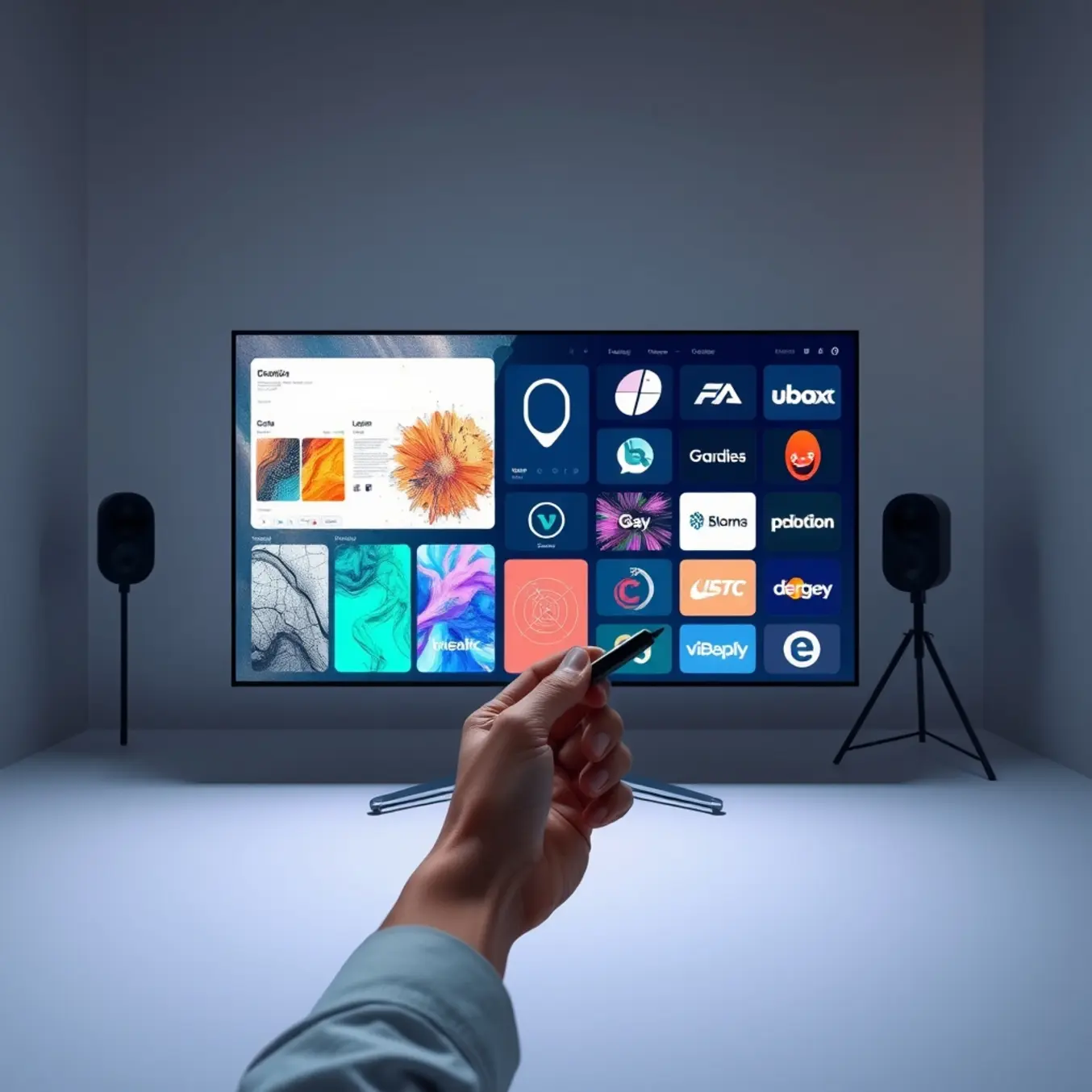
Gone are the days of sifting through endless Pinterest boards or stock photo libraries for weeks. The creative process for defining a brand’s visual identity is undergoing a seismic shift, powered by artificial intelligence. AI mood board generators are transforming a traditionally slow, subjective, and often disjointed task into a streamlined, strategic powerhouse. By translating abstract concepts into cohesive visual concepts in minutes, these tools are not just accelerating workflows—they are fundamentally reshaping brand strategy for the modern age.
From Weeks to Minutes: Unprecedented Creative Speed
The most immediate impact of AI in this space is sheer velocity. What once required extensive manual curation, client meetings, and multiple revisions can now be initiated with a simple text prompt. Tools like Pictomuse allow strategists and designers to input descriptive keywords—such as “minimalist tech luxury” or “earthy sustainable wellness”—and generate a rich, thematic mood board almost instantly. This rapid iteration capability means teams can explore dozens of visual directions in a single afternoon, dramatically shortening project timelines from weeks to mere minutes. This speed enables faster decision-making and allows brands to adapt their visual narratives with agility in a fast-paced market.
Ensuring Cohesive Visual Consistency
Beyond speed, AI mood board generators excel at maintaining visual consistency—a critical yet challenging aspect of brand building. Human-led curation can sometimes result in a disjointed collection of images that feel aesthetically pleasing individually but lack a unified thread. AI algorithms, however, are trained to identify and correlate subtle patterns in color, composition, texture, and style. When you request a board for “retro futurism,” the AI pulls from a vast dataset to ensure each suggested image harmonizes in palette and mood, creating a coherent visual story. This consistency provides a rock-solid foundation for all subsequent creative assets, from logo design to marketing campaigns, ensuring the brand communicates a single, powerful identity.
Democratizing Strategy and Enhancing Collaboration
This technology also democratizes the strategic process. Non-designers, such as marketing managers or founders, can now actively participate in the visual ideation phase without needing advanced design software skills. They can generate boards to articulate their vision clearly, bridging the communication gap that often exists between strategic intent and creative execution. Furthermore, these digital boards are easily shareable and editable, facilitating seamless collaboration across remote teams. Stakeholders can comment, refine prompts, and iterate in real-time, ensuring alignment and buy-in at every stage. This collaborative efficiency turns mood boarding from a siloed task into a unified strategic exercise.
A Foundation for Future-Proof Brands
Ultimately, AI mood boards are more than a productivity tool; they are a strategic asset. By enabling rapid exploration of visual territories, they allow brands to test and validate aesthetic directions with minimal resource expenditure. This encourages bolder creative experimentation and data-informed decision-making. In an era where visual content is paramount, the ability to quickly define and deploy a distinctive, consistent aesthetic is a significant competitive advantage. As these platforms evolve, integrating with other cutting-edge AI art styles, their role in sculpting resonant and adaptable brand identities will only become more profound. The visual revolution is here, and it’s moving at the speed of thought.
From Concept to Campaign: Practical Applications for Modern Brands
AI mood board generators are transforming how brands develop and execute creative strategies. By converting abstract ideas into cohesive visual frameworks, these tools streamline workflows from initial concept to final campaign. This section explores their practical applications across key marketing and branding initiatives.
Streamlining Product Launches
Launching a new product requires a unified visual identity that resonates with target audiences. AI mood board generators accelerate this process by synthesizing inspiration into a clear creative direction. Teams can input keywords related to the product’s features, target demographic, and desired emotional impact. The AI then curates images, color palettes, and typography that embody the launch’s core message. This visual blueprint ensures consistency across all touchpoints, from packaging and website design to advertising materials. For instance, a tech company launching a wearable device might use an AI tool to develop a board emphasizing sleek minimalism, biometric data visualizations, and an active lifestyle. This approach aligns the creative team and stakeholders early, reducing revision cycles and accelerating time-to-market [Source: Forbes].
Executing Strategic Rebranding Efforts
Rebranding is a complex endeavor that risks alienating existing customers if not handled thoughtfully. AI mood board generators provide a data-informed foundation for this visual evolution. Brands can analyze current assets and aspirational competitors to generate boards that bridge their heritage with a modernized future. These tools help visualize multiple rebranding directions simultaneously. A heritage brand, for example, could explore boards that balance classic elegance with contemporary digital aesthetics. This visual experimentation allows for safer, more confident decision-making before committing significant resources to new logos, websites, or brand guidelines [Source: Business.com].
Powering Seasonal and Thematic Campaigns
Campaigns for holidays, seasons, or cultural moments demand fresh creativity on a tight schedule. AI generators are invaluable for rapidly ideating thematic visuals. A retailer planning a summer collection campaign can generate boards exploring concepts like “coastal getaway,” “urban festival,” or “minimalist retreat” in minutes. This speed enables marketing teams to quickly present multiple creative routes to leadership, gather feedback, and refine the winning concept. The resulting mood board then serves as the single source of truth for photographers, videographers, and social media managers, ensuring all campaign assets share a consistent look and feel. For more on cutting-edge visual styles that can inspire such campaigns, explore our guide on top AI art styles to explore in 2025.
Enhancing Social Media and Content Planning
Maintaining a consistent and engaging visual presence across social platforms is a constant challenge. AI mood board generators help content teams plan cohesive grids and story arcs. By creating a board for a monthly or quarterly theme, teams can pre-visualize how color schemes, graphics, and photographic styles will work together in a feed. Furthermore, these tools can generate variations on a core theme to prevent content from becoming repetitive. A wellness brand might have a core board for “mindful mornings” but use AI to create subtle variations emphasizing nutrition, meditation, or fitness for different days of the week. This strategy supports both brand consistency and content variety, which are key to audience engagement [Source: Hootsuite].
Facilitating Cross-Departmental Alignment
One of the most significant benefits is improved collaboration. A shared AI-generated mood board acts as a universal visual language, aligning marketing, design, product development, and executive leadership. This reduces miscommunication and ensures everyone is inspired by and working toward the same visual goal from the project’s outset. By providing a tangible reference, these tools make abstract feedback more concrete, allowing for more productive discussions and faster consensus. The result is a more efficient creative process and final assets that powerfully and cohesively communicate the brand’s intended message.
Top AI Mood Board Platforms for Commercial Success
For marketing and brand development teams, AI mood board platforms are transforming creative workflows. These tools accelerate concept development, ensure visual consistency, and translate abstract brand values into concrete visual assets. The right platform can be the difference between a disjointed campaign and a cohesive, compelling brand story. This guide compares the leading general-purpose AI image generators with specialized platforms built for commercial success.
The Powerhouse Generators: Midjourney, DALL-E 3, and Stable Diffusion
These foundational AI models are often the engines behind more specialized tools. Understanding their strengths is key to selecting the right tool for your commercial projects.
Midjourney excels at generating highly artistic, stylized, and aesthetically cohesive imagery. Its strength lies in creating evocative, campaign-ready visuals with a distinct photographic or illustrative quality. For teams looking to develop a unique, high-end brand aesthetic or ad campaign visuals, Midjourney is a top contender. However, it operates primarily through Discord, which can be less intuitive for structured, team-based workflow management [Source: Simplilearn].
DALL-E 3, integrated into ChatGPT Plus and Microsoft’s Copilot, shines in its ability to accurately interpret complex, detailed text prompts. This makes it exceptionally good for generating specific product concepts, marketing illustrations, and scenes that require precise adherence to a written brief. Its ease of use within familiar chat interfaces lowers the barrier to entry for quick ideation [Source: OpenAI].
Stable Diffusion, particularly through user-friendly interfaces like Clipdrop or DreamStudio, offers unparalleled control and customization. Its open-source nature has led to a vast ecosystem of fine-tuned models (like DreamShaper) specifically trained on commercial photography, anime, or architectural visuals. For brands needing to generate large volumes of images in a specific, consistent style, leveraging a customized Stable Diffusion model can be incredibly efficient and cost-effective [Source: Stability AI].
Specialized Platforms for Brand Development & Marketing Teams
While the above tools generate images, specialized platforms wrap AI generation in workflows designed for commercial collaboration, brand governance, and project management.
Vizcom and Krea.ai are revolutionizing the early concept and storyboarding phase. These platforms allow designers to upload rough sketches or wireframes and use AI to instantly render them in various realistic or stylized finishes. This is invaluable for product design teams, ad agencies, and architects to rapidly iterate on concepts and present high-fidelity mockups to clients without lengthy manual rendering [Source: Vizcom].
Moodboard-centric platforms like Milanote (with AI integration) or Miro are evolving beyond simple collages. They now incorporate AI assistants that can generate visual ideas directly onto a collaborative board based on text prompts, analyze the mood board to extract a cohesive color palette or style guide, and even suggest imagery that fits the established theme. This creates a dynamic, living document that bridges inspiration and execution for entire teams [Source: Milanote].
Enterprise AI Suites from major players like Adobe (Firefly) are built for seamless integration into existing creative pipelines. The major advantage here is adherence to commercial-safe and ethically sourced training data, which mitigates legal risk for large corporations. Firefly’s features, like “Generative Match,” allow teams to generate new assets that perfectly match an existing brand photo’s style, ensuring visual consistency across all marketing materials [Source: Adobe].
Choosing the Right Platform for Your Commercial Goals
Selecting a platform depends on your primary need:
- For Unmatched Artistic Vision & Campaign Imagery: Prioritize Midjourney.
- For Precise Prompt Adherence & Quick Ideation: Use DALL-E 3 via ChatGPT.
- For High-Volume, Style-Consistent Assets & Customization: Leverage Stable Diffusion through a tailored interface.
- For Collaborative Concepting & Storyboarding: Adopt Vizcom or Krea.ai.
- For Integrated, Safe Brand Workflows: Implement Adobe Firefly within your Creative Cloud suite.
Ultimately, the most successful commercial teams often use a combination. They might brainstorm with DALL-E 3, refine a signature style with Midjourney, and then scale production using a custom-tuned Stable Diffusion model—all while managing the project on a collaborative AI-enhanced platform like Miro. By matching the tool’s strength to the task, brands can unlock unprecedented speed, cohesion, and creativity in their visual development. For more inspiration on the artistic styles these tools can create, explore our guide on the top AI art styles to explore.
ROI Metrics: Measuring the Business Impact of AI Visual Tools
For brands investing in AI mood board generators, quantifying the return on investment (ROI) is essential. Moving beyond creative potential, the true value lies in tangible business outcomes. By tracking specific metrics, you can demonstrate how these tools drive efficiency, reduce costs, and accelerate growth. Consequently, a data-driven approach justifies the investment and guides strategic optimization.
Quantifying Time Savings and Productivity Gains
One of the most immediate and measurable impacts is the dramatic reduction in time spent on visual research and asset compilation. Traditionally, creating a single mood board could take a designer hours or even days. AI tools, however, can generate dozens of cohesive visual concepts in minutes based on a text prompt. This efficiency translates directly into productivity gains. For example, a marketing team can iterate on campaign themes faster, allowing more time for strategy and execution. A study on AI in creative workflows highlights that automation of repetitive tasks can increase creative output by up to 40% [Source: McKinsey & Company]. Therefore, track the hours saved per project and the increase in concepts developed within a given timeframe.
Reducing Operational and Production Costs
AI visual tools directly contribute to cost reduction across several areas. First, they minimize reliance on expensive stock photo subscriptions or lengthy custom photoshoots in the early conceptual stages. Second, they reduce the need for extensive revisions by aligning stakeholders visually from the outset, preventing costly mid-project pivots. Moreover, these platforms can decrease dependency on external agencies for initial concept work, keeping more creative direction in-house. A report on AI efficiency notes that companies using AI for content creation have seen operational cost reductions of up to 20% in related departments [Source: Accenture]. To measure this, compare pre- and post-AI software licensing costs against expenses for stock assets, freelance labor, and agency fees.
Ensuring Creative Consistency and Brand Alignment
Maintaining a consistent visual identity across all touchpoints is crucial for brand recognition. AI mood board generators excel at enforcing this consistency. By using brand-approved color palettes, typography, and style keywords as input, every generated board aligns with your guidelines. This reduces the risk of off-brand creative work and the time spent on corrections. In practice, this leads to stronger, more cohesive campaigns. For inspiration on defining your visual style, explore our guide on the Top AI Art Styles to Explore in 2025. The metric here is a reduction in revision cycles and an increase in stakeholder approval rates on first presentation.
Accelerating Time-to-Market for Campaigns
Speed is a competitive advantage. AI-driven visual tools compress the ideation and conceptualization phases, allowing campaigns to move from brief to execution much faster. This accelerated time-to-market means you can capitalize on trends, respond to market events, and launch products more swiftly. Faster project timelines also enable teams to take on more work or dedicate saved time to higher-value strategic activities. Industry analysis shows that AI can reduce the time spent on content development tasks by over 50% [Source: Gartner]. Track this by measuring the average duration of your creative briefing-to-approval cycle before and after implementing an AI tool.
Building a Comprehensive ROI Dashboard
To effectively measure impact, consolidate these metrics into a simple dashboard. Key Performance Indicators (KPIs) should include:
- Hours Saved per Project: Track time reduction in the ideation phase.
- Cost Avoidance: Calculate savings on stock imagery, freelance costs, and agency fees.
- Project Cycle Time: Measure the reduction in days from brief to final creative approval.
- Concept Output Volume: Count the number of viable visual directions produced in a set time.
By monitoring these metrics, you transform the abstract “value of AI” into clear, actionable business intelligence. Ultimately, this data empowers you to scale your creative processes, make informed budgeting decisions, and consistently demonstrate the powerful ROI of AI visual tools.
Implementation Guide: Integrating AI Mood Boards into Your Workflow
Step 1: Assemble Your Team and Define Objectives
Begin by identifying key stakeholders from design, marketing, and brand strategy. Hold a kickoff meeting to define clear objectives for AI mood board adoption. Are you aiming to accelerate concept development, improve client presentations, or explore new creative directions? Establishing these goals upfront ensures the technology serves a strategic purpose. Crucially, involve team members who