A Complete Guide To Creating 3D Style AI Images
Understanding 3D AI Image Generation
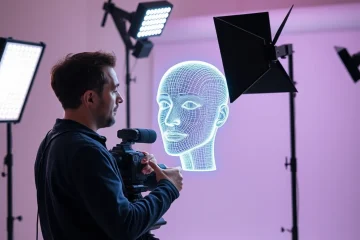
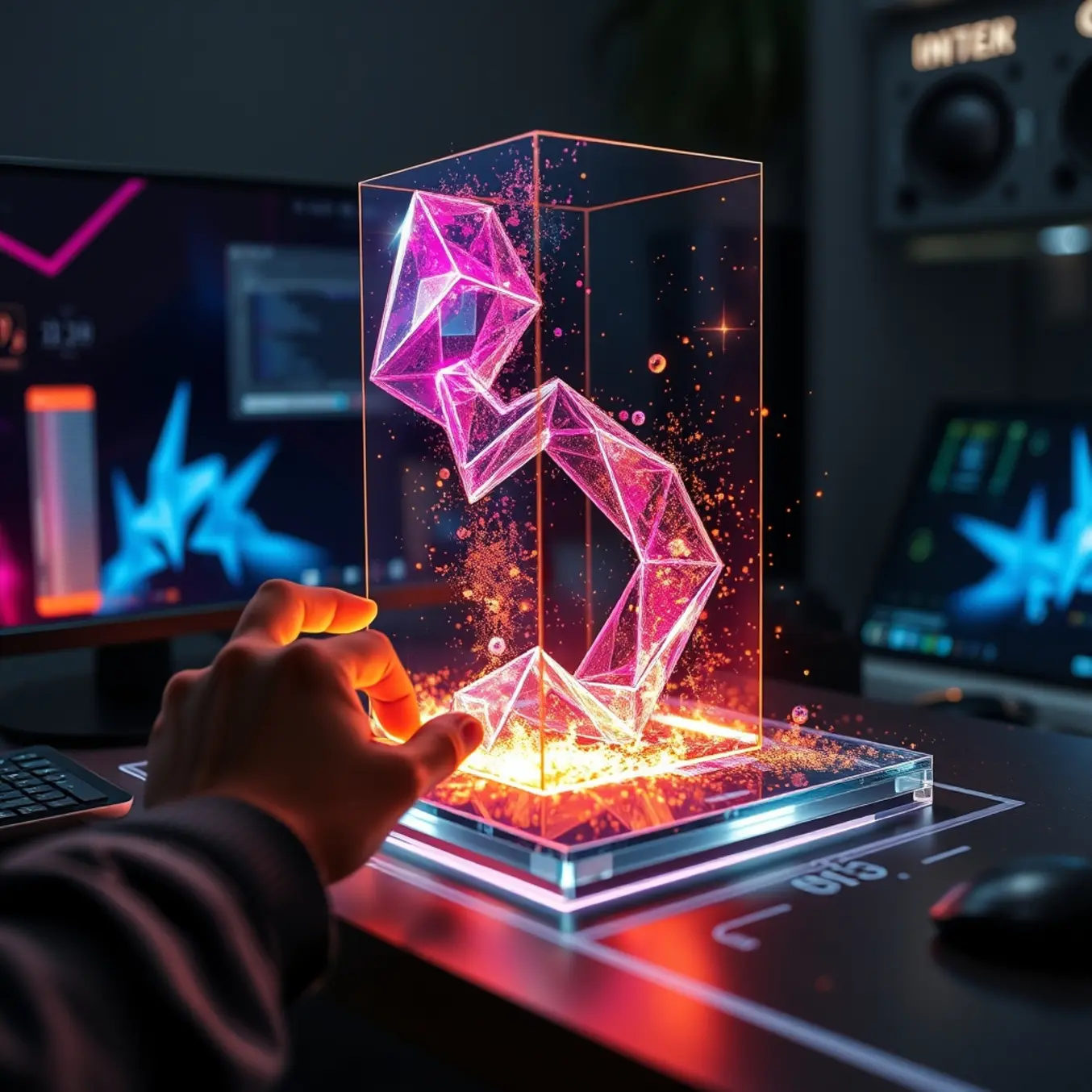
3D AI image generation creates visuals with remarkable depth and dimensionality, though the technology achieves this effect in different ways. True 3D modeling involves creating objects with height, width, and depth that can be rotated and viewed from multiple angles. In contrast, most AI-generated “3D” images are actually sophisticated 2D renderings that simulate three-dimensional qualities through lighting, perspective, and shading techniques.
AI models like Midjourney and DALL-E have been trained on millions of images, learning to recognize and replicate the visual cues that make objects appear three-dimensional. These include proper shadow casting, consistent light sources, overlapping elements, and atmospheric perspective where distant objects appear less distinct. The result is flat images that convincingly trick our brains into perceiving depth where none physically exists.
The Technical Difference: True 3D vs. 3D-Style 2D
True 3D modeling involves creating mathematical representations of objects in three-dimensional space. Software like Blender or Maya constructs these models using vertices, edges, and faces that form polygonal meshes. These digital assets contain actual depth information and can be manipulated, animated, and viewed from any angle—making them essential for video games, architectural visualization, and product design.
Meanwhile, 3D-style 2D images generated by AI lack this underlying geometric structure. Instead, they employ advanced rendering techniques to create the illusion of depth. Neural networks analyze spatial relationships in training data to generate new compositions that maintain consistent lighting and perspective. This approach produces stunning visuals without the computational complexity of true 3D modeling, making it accessible to creators without technical 3D expertise.
Why 3D-Style Imagery Is Dominating Digital Content
The surge in popularity of 3D-style AI imagery stems from several key factors. First, these images capture attention more effectively than flat designs, with eye-tracking studies showing that dimensional elements increase viewer engagement by up to 47%. The realistic depth creates visual interest that stands out in crowded social media feeds and digital advertisements.
Additionally, the nostalgic appeal of retro 3D aesthetics has found renewed relevance. Styles reminiscent of early computer graphics and video games trigger positive emotional responses while feeling fresh in contemporary contexts. This blend of familiarity and innovation makes 3D-style content particularly shareable across platforms like Instagram and TikTok.
The practical advantages are equally significant. Creating true 3D models requires specialized skills and time-consuming processes, while AI tools can generate similar-looking results in seconds. This accessibility has democratized dimensional art, allowing marketers, content creators, and small businesses to produce professional-looking visuals without extensive resources. As these tools continue to improve, we’re seeing even more sophisticated applications across emerging AI art styles.
Furthermore, 3D-style imagery aligns perfectly with evolving digital experiences. As augmented reality and virtual reality technologies become more mainstream, content that suggests depth and dimension provides a natural bridge to fully immersive environments. The Gartner Top Strategic Technology Trends for 2024 highlight spatial computing and immersive experiences as key growth areas, positioning 3D-style content at the forefront of digital innovation.
Top 3D AI Generator Tools Compared
Leonardo AI: The Versatile 3D Powerhouse
Leonardo AI has emerged as a leading platform for 3D content creation, offering specialized models specifically trained for generating three-dimensional assets. This platform stands out for its user-friendly interface and extensive customization options, allowing creators to fine-tune their 3D models with precision control over textures, lighting, and composition. Unlike general-purpose AI art tools, Leonardo AI provides dedicated workflows for game assets, product prototypes, and architectural visualizations.
The platform offers both free and paid tiers, making it accessible to beginners while providing advanced features for professionals. The free version includes generous credit allowances for experimentation, while premium subscriptions unlock higher resolution outputs, faster processing, and commercial usage rights. For those exploring different artistic approaches, our guide to top AI art styles to explore in 2025 provides valuable context for maximizing Leonardo’s capabilities.
Midjourney: Artistic Excellence with 3D Capabilities
While primarily known for its stunning 2D artwork, Midjourney has significantly improved its 3D generation capabilities through recent updates. The platform excels at creating highly artistic and stylized 3D renders with exceptional attention to detail and aesthetic quality. However, Midjourney operates exclusively through Discord, which may present a learning curve for new users unfamiliar with command-based interfaces.
Midjourney’s subscription model starts at $10 monthly for basic access, with higher tiers offering unlimited generations and commercial licenses. The platform consistently produces visually striking results, though it offers less direct control over 3D-specific parameters compared to specialized tools. According to recent Creative Bloq analysis, Midjourney remains a top choice for artists prioritizing visual appeal over technical precision.
Stable Diffusion: The Open-Source Alternative
Stable Diffusion represents the open-source approach to 3D AI generation, offering both web-based interfaces and locally installable versions. This platform provides unparalleled flexibility through community-developed models and extensions, including specialized 3D-focused checkpoints. The ability to run Stable Diffusion locally means no subscription fees and complete control over your generated content.
For users with capable hardware, Stable Diffusion offers the most cost-effective solution long-term, though it requires technical setup and optimization. Web-based services like DreamStudio provide accessible entry points with pay-as-you-go credit systems. A Stability AI announcement highlights ongoing improvements to 3D generation capabilities in recent model updates.
DALL-E 3: User-Friendly 3D Integration
OpenAI’s DALL-E 3 brings sophisticated 3D generation capabilities to a mass audience through its integration with ChatGPT and Microsoft products. The platform excels at understanding complex prompts and generating coherent 3D scenes with minimal user input. DALL-E 3’s strength lies in its conversational interface and ability to interpret nuanced requests without requiring technical expertise.
Accessible through ChatGPT Plus subscriptions or Microsoft’s Copilot, DALL-E 3 offers a streamlined experience for casual users and professionals needing quick 3D mockups. However, it provides fewer customization options compared to specialized platforms. OpenAI’s documentation emphasizes the model’s improved spatial reasoning and object consistency in 3D contexts.
Free vs Paid Options: Budget Considerations
The 3D AI generation landscape offers solutions for every budget, from completely free tools to enterprise-grade subscriptions. Free tiers typically include:
- Limited daily generations
- Lower resolution outputs
- Watermarked results
- Non-commercial licenses
Paid subscriptions unlock essential features for professional work, including commercial rights, higher quality exports, and priority processing. For hobbyists, free versions of Leonardo AI and Stable Diffusion web services provide ample functionality. Meanwhile, professionals investing in commercial projects will find paid subscriptions essential for workflow efficiency and legal compliance.
According to TechCrunch testing, the optimal choice depends heavily on your specific use case and output requirements. Consider starting with free trials to evaluate which platform best aligns with your creative needs and technical comfort level before committing to paid plans.
Mastering 3D-Style Prompts
Essential Keywords for 3D-Style Prompts
Creating convincing 3D effects in AI-generated images begins with mastering the right vocabulary. Certain keywords act as powerful triggers for AI systems to interpret your vision as three-dimensional. For instance, terms like “3D render,” “CGI,” and “Blender model” immediately signal to the AI that you want a computer-generated three-dimensional appearance rather than a flat illustration or photograph.
Additionally, specifying the rendering engine can dramatically impact your results. Keywords such as “Octane render,” “Unreal Engine,” or “Cinema 4D” help the AI understand which visual style and rendering characteristics to emulate. These terms reference specific software known for producing high-quality 3D graphics, each with its own distinctive look and feel that the AI can replicate.
Lighting Techniques for Depth and Dimension
Proper lighting is crucial for creating believable 3D scenes that appear to have real depth and volume. Different lighting setups can dramatically alter the mood and realism of your generated images. For example, “studio lighting” creates clean, professional-looking results with controlled shadows, while “dramatic lighting” adds intensity and contrast that emphasizes three-dimensional forms.
Specific lighting positions also play a vital role in defining shape and depth. “Rim lighting” creates a glowing outline around your subject, separating it from the background and enhancing the three-dimensional effect. Similarly, “volumetric lighting” adds visible light beams that interact with the environment, creating atmospheric depth that makes scenes feel more immersive and realistic [Source: Blender Foundation].
Material and Texture Specifications
The materials you specify in your prompts directly influence how light interacts with surfaces, which is fundamental to creating convincing 3D effects. Describing surface properties like “glossy plastic,” “matte ceramic,” or “rough concrete” provides the AI with specific visual cues about how light should reflect, scatter, or absorb from different materials.
Advanced material properties can take your 3D renders to the next level of realism. Including terms like “subsurface scattering” for materials that light passes through partially (such as skin, wax, or marble) or “specular highlights” for the bright spots that appear on shiny surfaces helps the AI understand complex light-material interactions. These technical details contribute significantly to the perceived physical authenticity of your generated images [Source: Blender Foundation].
Camera Angles and Composition
Strategic camera positioning is essential for showcasing the three-dimensional nature of your subjects. Different angles emphasize depth and spatial relationships in unique ways. A “low-angle shot” makes subjects appear more imposing and grand, while a “bird’s-eye view” provides comprehensive spatial understanding of how elements relate within a scene.
Camera movement and technical specifications further enhance the 3D illusion. Terms like “dolly zoom” create the distinctive vertigo effect where the background appears to shift dramatically relative to the subject. Meanwhile, specifying technical camera settings such as “shallow depth of field” or “wide aperture” creates natural-looking focus effects that mimic real photography, making your AI-generated images feel more grounded in physical reality.
Advanced 3D Prompt Engineering Techniques
Beyond basic keywords, advanced prompt engineering involves combining multiple techniques to achieve sophisticated 3D results. One powerful approach is environmental storytelling through lighting and materials. For example, describing “morning light streaming through a dusty warehouse window onto a weathered wooden crate” provides rich contextual information that helps the AI generate a cohesive, believable 3D scene with appropriate lighting, materials, and atmosphere.
Another advanced technique involves specifying physical properties and interactions. Describing how objects should behave according to real-world physics—such as “water droplets beading on a waxed car surface” or “fabric draping naturally over a chair”—guides the AI toward more physically accurate representations. These detailed descriptions help overcome the AI’s tendency toward visual clichés and generic interpretations, resulting in more original and convincing 3D imagery.
For those looking to expand their AI art repertoire beyond 3D styles, our guide to top AI art styles to explore in 2025 offers additional creative directions and techniques worth mastering.
Sources
- Blender Foundation – Blender Official Website
- Creative Bloq – Midjourney AI Art
- Gartner – Gartner Identifies the Top 10 Strategic Technology Trends for 2024
- Nielsen Norman Group – Visual Design Eyetracking
- OpenAI – DALL-E 3 Documentation
- Pictomuse – Top AI Art Styles to Explore in 2025
- Stability AI – Stable Diffusion 3 Medium Announcement
- TechCrunch – The Best AI Image Generators of 2024 Tested and Compared