AI Art For Social Media How To Stand Out And Dominate Your Niche
The AI Art Revolution: Why Your Business Can’t Afford to Miss Out
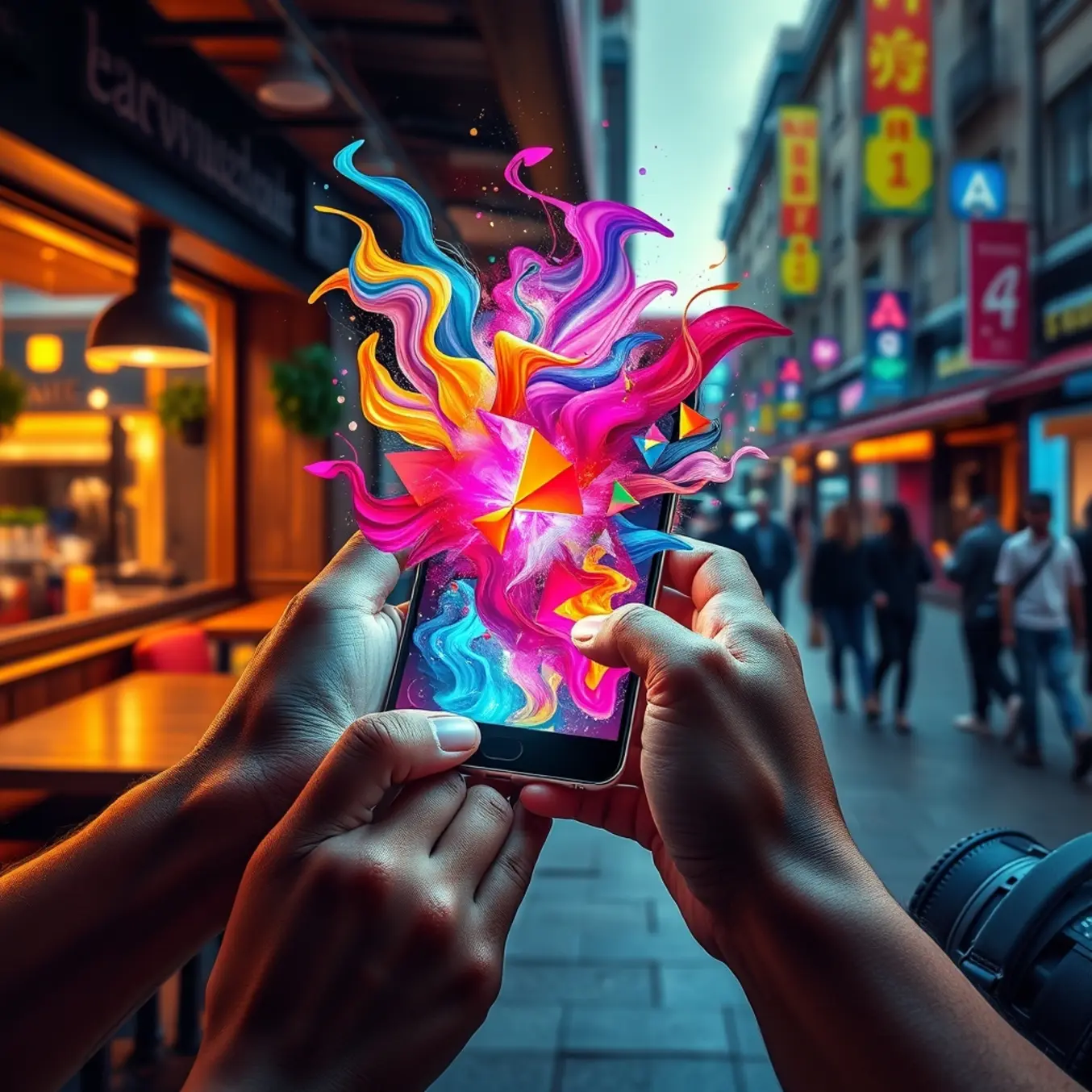
The AI art revolution is transforming how businesses approach social media marketing, offering unprecedented advantages that traditional methods simply can’t match. Companies that embrace AI-generated imagery gain significant competitive edges through remarkable cost savings and lightning-fast content creation capabilities that keep them consistently relevant in rapidly changing digital landscapes.
Substantial Cost Reductions
Unlike traditional photography or stock image subscriptions that require ongoing financial investments, AI image generation provides an economically sustainable solution. Businesses can eliminate expenses associated with photoshoots, model fees, equipment rentals, and recurring stock image subscriptions. According to recent industry analysis, companies using AI for visual content report average savings of 40-60% on their visual content budgets while maintaining quality and brand consistency across all platforms.
Accelerated Content Production
The speed of AI image creation enables businesses to respond instantly to trending topics and market opportunities. What previously required days of planning and execution can now be accomplished in minutes. This rapid turnaround allows marketing teams to produce multiple variations for A/B testing, create platform-specific adaptations, and maintain consistent posting schedules without the traditional bottlenecks. Research shows that businesses using AI for content creation publish 3-5 times more visual content than those relying on conventional methods.
Enhanced Creative Flexibility
AI image tools provide unparalleled creative freedom, allowing businesses to experiment with diverse visual styles and concepts without additional costs. From realistic product mockups to abstract brand representations, the technology enables exploration of countless artistic directions. Companies can seamlessly adapt their visual identity across different campaigns while maintaining core brand elements. For inspiration on creative possibilities, explore our guide to the top AI art styles to explore in 2025, which showcases emerging trends that can elevate your social media presence.
Competitive Market Positioning
Businesses leveraging AI imagery demonstrate innovation and technological sophistication that resonates with modern consumers. This forward-thinking approach not only captures audience attention but also positions brands as industry leaders. The ability to produce fresh, relevant content consistently helps maintain top-of-mind awareness and engagement in crowded social media feeds. Meanwhile, companies sticking to traditional methods risk appearing outdated and struggling to keep pace with content demands.
Scalability Without Compromise
AI image generation scales effortlessly with business growth, maintaining quality and consistency regardless of volume requirements. Whether managing a single social media account or multiple brand channels across different regions, the technology adapts to increasing demands without proportional cost increases. This scalability ensures that visual content quality remains high even during rapid expansion periods or seasonal marketing pushes.
The transition to AI-powered visual content represents more than just technological adoption—it’s a strategic imperative for businesses seeking to maintain competitive relevance in social media marketing. The combination of financial efficiency, production speed, and creative versatility creates a compelling case for immediate integration into your content strategy.
Top AI Image Tools That Deliver Commercial Results
The AI image generation market has exploded with platforms offering diverse capabilities for commercial use. For social media managers and content creators, selecting the right tool can dramatically impact engagement and brand consistency. These platforms enable the rapid creation of high-quality visuals tailored for specific platforms like Instagram, Facebook, and TikTok. Let’s explore the leading tools that are proven to deliver professional, commercially viable results.
Midjourney: The Artistic Powerhouse for Premium Visuals
Midjourney stands out for its ability to produce highly artistic and stylized images. Accessed through Discord, it excels at creating visually rich, painterly, and often photorealistic graphics. This makes it ideal for brands seeking a premium, high-end aesthetic for campaigns, hero images, or unique social media posts that stop the scroll. Its strength lies in interpreting complex, descriptive prompts to generate evocative visuals. However, its subscription-based model and lack of a native, user-friendly interface can present a learning curve for some teams [Source: Social Media Today].
DALL-E 3: Precision and Integration for Brand Consistency
Integrated directly into ChatGPT Plus and Microsoft’s ecosystem, DALL-E 3 is renowned for its exceptional ability to understand and execute detailed, nuanced prompts. This precision is a significant advantage for commercial use, as it allows for the generation of images that closely align with specific brand guidelines and concepts. It’s particularly effective for creating clear, conceptual imagery for blog post featured images, ad creatives, and illustrations that require accurate representation of an idea. For those looking to expand their creative toolkit, exploring different AI art styles can further enhance your visual content strategy [Source: Tech.co].
Canva AI: The All-in-One Solution for Speed and Scale
For teams that prioritize speed, ease of use, and seamless integration, Canva AI is the leading choice. Built directly into the widely-used Canva design platform, its AI tools—like Magic Media and Magic Design—allow users to generate images, edit photos, and create entire design templates from a simple text prompt. This is invaluable for producing large volumes of consistent social media graphics, promotional banners, and presentation slides quickly. Its user-friendly nature and extensive template library make it accessible for marketers and small business owners without dedicated design resources, enabling rapid prototyping and content scaling [Source: Buffer].
Choosing the Right Tool for Your Commercial Goals
Ultimately, the best AI image tool depends on your specific commercial objectives. If your brand’s value is tied to unique, high-art visuals, Midjourney is a powerful option. For projects demanding precise interpretation of complex ideas, DALL-E 3 offers superior prompt understanding. Meanwhile, Canva AI is the undisputed leader for teams that need to produce a high volume of on-brand, templated graphics efficiently. By leveraging these tools, businesses can significantly reduce production costs, maintain a consistent visual identity, and accelerate their content creation pipeline for social media success.
Crafting Prompts That Convert: From Basic to Brilliant
Understanding the Core Components of a High-Converting Prompt
Creating effective AI prompts requires more than just describing a scene. It involves structuring your request to guide the AI toward producing commercially viable, conversion-focused images. A well-crafted prompt typically includes four key elements: subject, style, composition, and context. For instance, instead of “a person using a product,” try “a diverse group of millennials enthusiastically using [product name] in a bright, modern living room setting, lifestyle photography style, authentic expressions.”
This approach provides the AI with specific demographic information, emotional cues, and stylistic direction. According to Adobe’s prompt engineering guide, including emotional descriptors like “joyful,” “confident,” or “relieved” can significantly impact how viewers connect with generated imagery. Similarly, specifying lighting conditions such as “golden hour” or “soft studio lighting” helps create the mood that aligns with your brand’s messaging.
Advanced Techniques for Social Media Optimization
Social media platforms have distinct visual requirements that your prompts must address. For Instagram, consider including platform-specific elements like “vertical orientation,” “bright, vibrant colors,” and “negative space for text overlay.” Research from Buffer’s social media image guide shows that properly sized images receive up to 35% more engagement. Meanwhile, LinkedIn content often performs better with professional, clean aesthetics described through terms like “corporate setting,” “business casual attire,” and “minimalist composition.”
To maximize conversion potential, incorporate psychological triggers directly into your prompts. Words like “limited time,” “exclusive,” or “proven results” can be visually represented through elements like countdown timers, “sold out” stickers, or statistical graphics. A study on conversion psychology found that images containing social proof elements increase conversion rates by up to 15%.
From Basic to Brilliant: Prompt Evolution Examples
Let’s examine how to transform a basic prompt into a conversion-optimized masterpiece:
Basic Prompt: “A woman drinking coffee”
Intermediate Prompt: “A professional woman in her late 20s enjoying a latte at a sunny café, natural lighting, lifestyle photography style”
Brilliant Conversion-Focused Prompt: “A diverse group of successful female professionals aged 25-35 laughing together while drinking artisanal coffee in a bright, modern coworking space during golden hour, authentic candid moments, lifestyle photography with warm tones, negative space in upper right corner for promotional text, social media optimized vertical composition”
The final version includes specific demographics, emotional context, stylistic direction, and practical considerations for social media implementation. This evolution demonstrates how layered details transform generic imagery into targeted marketing assets.
Leveraging AI Art Styles for Maximum Impact
Understanding different artistic styles can dramatically improve your prompt effectiveness. For commercial campaigns, certain styles consistently outperform others in conversion metrics. Photorealistic styles often work best for product showcases, while illustrated approaches can simplify complex concepts. Our comprehensive guide to top AI art styles for 2025 explores which visual approaches resonate most with contemporary audiences across different industries.
When crafting style-specific prompts, include references to lighting techniques, color palettes, and compositional rules. For example, “cinematic lighting with dramatic shadows” creates different emotional impact than “soft, even lighting with pastel colors.” The psychology of color in marketing reveals that different hues evoke specific consumer responses—red creates urgency, blue builds trust, and green suggests natural qualities.
Testing and Refining Your Prompts
Creating brilliant prompts requires continuous testing and optimization. Start by generating multiple variations of your core prompt, then A/B test them across your social channels. Track engagement metrics like click-through rates, shares, and conversion actions to identify which prompt structures yield the best results.
Additionally, consider creating prompt templates for different campaign types. Product launches might use energetic, attention-grabbing language, while educational content could benefit from cleaner, more informative visual descriptions. Documenting your successful prompts creates a valuable knowledge base that streamlines future campaign development and ensures consistent visual branding across all marketing channels.
Platform-Specific Strategies That Drive Engagement
Instagram: Visual Storytelling with AI-Generated Art
Instagram’s visually-driven platform demands high-quality, aesthetically pleasing content that captures attention instantly. AI-generated images excel here by creating unique visual styles that stand out in crowded feeds. For maximum impact, use AI tools to develop consistent visual themes across your posts, stories, and reels. Create branded filters and effects using AI-generated elements to encourage user interaction and sharing. Additionally, leverage AI to transform product photos into artistic compositions that maintain brand identity while offering fresh perspectives.
Instagram’s algorithm favors content that generates meaningful interactions, so focus on creating AI images that spark conversation. Use AI to generate visually striking “before and after” transformations or create custom illustrations that complement your captions. The platform’s shopping features also benefit from AI-enhanced product imagery that highlights details and creates lifestyle contexts. According to Sprout Social’s algorithm guide, engagement signals like comments and shares significantly boost content visibility.
Optimizing for Instagram’s Key Features
Different Instagram formats require tailored AI strategies. For feed posts, create square or vertical AI images that work well with the platform’s grid layout. Stories benefit from full-screen vertical AI creations with interactive elements. Reels perform best with eye-catching AI visuals in the first three seconds to capture scrolling users. Carousel posts allow you to showcase AI image transformations or tell visual stories through multiple connected images.
LinkedIn: Professional AI Imagery for Business Impact
LinkedIn demands a more professional approach where AI images should enhance credibility and communicate complex ideas visually. Use AI to create custom infographics, data visualizations, and conceptual illustrations that support your professional content. The platform’s audience responds well to AI-generated diagrams that simplify business processes, organizational charts, and industry trends. According to LinkedIn’s content guidelines, professional visuals significantly increase engagement on business-focused content.
Create AI-generated header images and profile banners that reflect your professional brand while maintaining corporate standards. Use AI to develop consistent visual themes for your company page that align with your industry and messaging. For thought leadership content, AI can generate conceptual imagery that illustrates abstract business concepts or future trends. The platform’s article feature benefits from AI-created featured images that capture attention while remaining professional.
Building Authority with Professional AI Styles
LinkedIn audiences appreciate sophisticated visual approaches that demonstrate expertise. Consider using AI to create minimalist designs, professional color palettes, and clean compositions that reflect your industry standards. AI-generated architectural visualizations work well for construction and real estate professionals, while financial services can benefit from AI-created data charts and economic visualizations. Explore our guide on top AI art styles for 2025 to identify professional approaches that resonate with business audiences.
TikTok: Dynamic AI Content for Viral Potential
TikTok’s fast-paced, entertainment-focused platform requires AI images that work within video content and capture attention within seconds. Use AI to create dynamic backgrounds, transition elements, and visual effects that enhance your video storytelling. The platform thrives on trends, so leverage AI to quickly generate images that align with current challenges, memes, and popular formats. According to TikTok’s content strategy guide, visually striking content that participates in trends has higher discovery potential.
Create AI-generated templates for consistent branding across your TikTok content while allowing for creative variation. Use AI to develop unique character designs, animated elements, and stylized text that align with your brand voice. The platform’s duet and stitch features work well with AI-created visual prompts that encourage user participation. For product demonstrations, AI can generate imaginative scenarios and transformations that showcase your offerings in creative contexts.
Maximizing TikTok’s Algorithm with AI Visuals
TikTok’s algorithm prioritizes content that keeps users engaged, so use AI to create visuals that encourage watching until the end. Develop AI image sequences that build anticipation or reveal transformations throughout your video. The platform’s sound-on environment means your AI visuals should complement audio elements and work together to create immersive experiences. Create AI-generated thumbnails that accurately represent your content while generating curiosity and clicks.
Cross-Platform AI Strategy Implementation
While each platform requires specific approaches, maintaining consistent branding across all channels remains crucial. Develop a core AI visual identity that can be adapted to different platform requirements while maintaining brand recognition. Use AI tools to create variations of key visual elements that work within each platform’s technical specifications and audience expectations. This approach ensures your brand remains recognizable while optimizing for platform-specific engagement metrics.
Monitor performance across platforms to identify which AI visual styles generate the best results for your specific audience. Use analytics to understand how different AI image approaches affect engagement rates, click-through rates, and conversion metrics on each platform. Continuously refine your AI image strategy based on performance data and emerging platform features to maintain competitive engagement levels across all your social media channels.
Brand Consistency in the Age of AI
Why Brand Consistency Matters More Than Ever
In today’s crowded digital landscape, brand consistency is no longer optional—it’s essential for building trust and recognition. Research shows that consistent brand presentation across all platforms can increase revenue by up to 23% [Source: Lucidpress]. Meanwhile, AI-powered content creation tools are revolutionizing how brands scale their social media presence, but they also introduce new challenges for maintaining that crucial consistency.
The AI Branding Challenge
As companies adopt AI tools for content generation, many struggle with maintaining their unique brand voice and visual identity. AI systems can produce content at incredible speeds, but without proper guidance, they may generate messaging that conflicts with your established brand guidelines. This creates a paradox: the very tools designed to help scale your presence could potentially dilute your brand identity if not managed correctly.
Establishing Your AI Brand Framework
The foundation of AI-assisted brand consistency begins with creating comprehensive brand guidelines specifically designed for AI systems. These should include detailed descriptions of your brand voice, tone, visual style preferences, and content pillars. For example, if your brand uses specific color palettes or AI art styles, document these preferences explicitly for your AI tools.
Develop Brand Personas for AI
Create detailed brand personas that your AI tools can reference. These should include:
- Brand voice characteristics (formal vs. casual, technical vs. conversational)
- Core messaging pillars and key phrases
- Visual style preferences and design elements
- Content topics and themes to emphasize or avoid