Design Professional Business Cards In Minutes With AI Tools
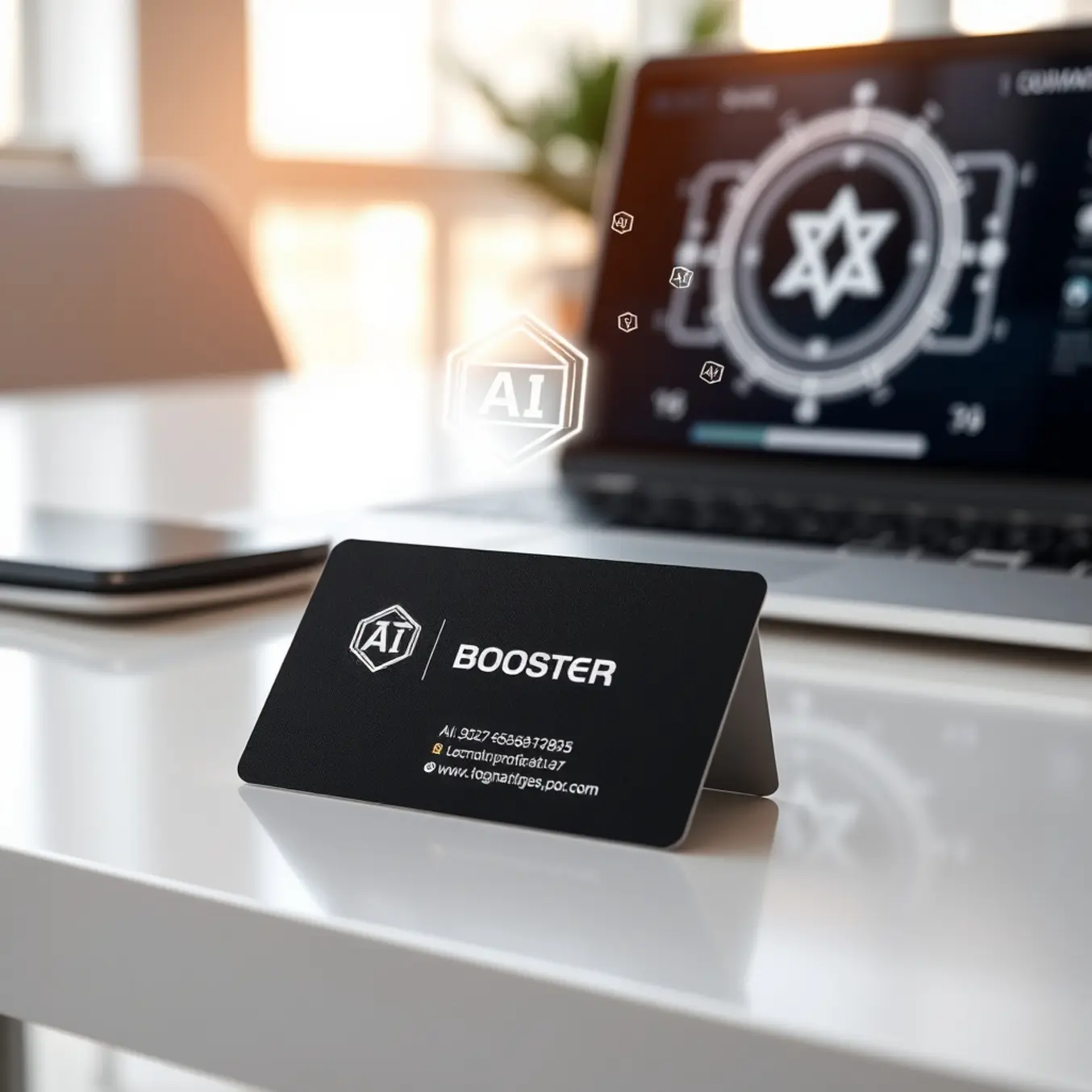
The AI Revolution in Business Card Design
The traditional process of designing a business card is becoming a relic of the past. Gone are the days of wrestling with complex design software, hiring expensive freelancers, or settling for generic, uninspiring templates. Today, a new wave of AI-powered tools is transforming this essential networking tool, making professional, custom design accessible to everyone in minutes. This shift isn’t just about convenience; it’s a fundamental upgrade in how we create our professional first impression.
Conventional design approaches are fraught with bottlenecks. Using professional software requires a significant time investment and a steep learning curve, while hiring a designer involves back-and-forth communication and high costs. Pre-made templates offer a quick fix but sacrifice uniqueness. AI design generators solve these problems by merging expert-level design intuition with instant, user-friendly execution [Source: Forbes].
The benefits are immediate: unmatched speed (a print-ready design in under a minute), automatic professional quality based on design principles, and infinite customization from simple inputs. These tools often include smart features like QR code integration and industry-appropriate color suggestions, providing incredible value at a fraction of traditional costs. By leveraging an AI business card generator, you’re adopting a smarter, faster tool for personal branding that creates a powerful, standout networking asset.
Top AI Business Card Generators Compared
Choosing the right AI business card generator can transform a simple networking tool into a powerful brand asset. These platforms use artificial intelligence to streamline design, ensuring professional results without requiring graphic design skills.
- Canva: A versatile all-in-one platform with AI-powered Magic Design. It’s ideal for users who want extensive template libraries and creative control within a user-friendly interface.
- VistaCreate (formerly Crello): Excels in brand consistency with its AI Brand Kit feature, automatically applying your logo, colors, and fonts to designs.
- Looka: Takes a holistic, AI-driven approach to build your entire brand identity from the ground up, making it perfect for new businesses seeking a unified look.
- Adobe Express: Offers professional-grade AI tools like Adobe Firefly for unique image generation, best for users seeking advanced capabilities within the Adobe ecosystem.
Your choice depends on your needs: Canva for ease and variety, VistaCreate for brand consistency, Looka for a complete new brand, and Adobe Express for professional-grade flexibility. Most offer free trials, so experiment to find your best fit [Source: Pictomuse Blog].
Your 5-Step Guide to a Professional Business Card in Under 10 Minutes
Creating a standout business card with AI is a streamlined process. Follow this five-step guide for a professional result in under ten minutes.
- Choose Your AI Generator and Template: Select a platform and browse templates by style (“Modern Professional,” “Creative,” etc.) to find a foundation that suits your brand.
- Input Your Core Information: Accurately enter your name, title, company, phone, email, and website. The AI uses this to intelligently populate the layout.
- Customize with AI-Powered Suggestions: Use the AI’s recommendations for color palettes (often derived from your logo) and font pairings tailored to your industry. You can adjust these with a click.
- Review and Optimize Layout: Check text legibility, ensure no info is in the cut-off “safe zone,” and verify the visual hierarchy. Make minor tweaks for a clean, uncluttered look.
- Download and Share Instantly: Download high-resolution print-ready files (PDF) and digital versions (PNG). Share online immediately or send to a print shop.
This process empowers anyone to create a tangible, professional networking tool in minutes, eliminating the traditional barriers of time, cost, and skill.
How to Customize AI Designs for Brand Identity
Customizing AI-generated designs to reflect your brand identity is crucial for creating a memorable and cohesive professional impression. Start by defining and inputting your brand’s visual language—its specific color palette, typography, and graphic style—into the AI platform as guidelines. This ensures consistency across the card’s layout.
Guide the AI on information hierarchy, ensuring your name and title are prominent. You can adjust spacing and alignment to match your brand’s aesthetic, whether minimalist or illustrative. Incorporating unique elements, like a custom icon inspired by trending AI art styles, adds a memorable touch. The true power lies in creating cohesive imagery; AI can analyze existing brand assets to suggest complementary graphics or generate unique artwork that aligns with your website and social media, strengthening overall brand recall [Source: Forbes].
Always leverage negative space effectively—AI can optimize layout balance to prevent a cluttered, unprofessional look. Be prepared to iterate by providing simple feedback to the tool (“use a softer color,” “increase logo size”) until the output perfectly encapsulates your brand. This transforms a standard card into a powerful, on-brand networking tool that sparks conversation [Source: Entrepreneur].
From Digital to Physical: Printing and Distribution Tips
Bringing your AI design to life requires smart choices in production and distribution. For a professional feel, choose a premium cardstock between 14pt and 16pt weight. Select a finish that matches your brand message: a sophisticated matte, a vibrant glossy, or a luxurious soft-touch laminate.
Before printing, ensure your files are optimized. Download print-ready PDFs in CMYK color mode, include bleed areas (typically 0.125 inches), and convert text to outlines to avoid font issues. Always request a physical proof if possible to check color and alignment.
Strategic distribution maximizes impact. Proactively exchange cards after establishing a connection in conversation. Follow up within 24 hours with a personalized email, attaching a digital version of your card. Include a QR code on the printed card that links to your digital portfolio or contact page, seamlessly bridging physical and digital interactions. Use the card to drive traffic to your key online profiles, encouraging further engagement and reinforcing the connection made in person [Source: Pictomuse Blog].
Cost Analysis: AI Generator vs. Traditional Design
The financial difference between traditional design and using an AI generator is stark. Hiring a professional designer involves hourly rates ($50-$150/hr), multiple revision rounds, and separate fees for team variations, easily pushing total costs over $500 for a single design. Printing costs add another significant expense.
In contrast, an AI business card generator provides immediate savings through low monthly subscriptions or one-time fees (often $10-$30), which include unlimited revisions. You can generate and tweak dozens of designs in minutes at no extra cost. The long-term value is superior: updates for rebrands or role changes are free, eliminating recurring design fees. This model offers incredible scalability for growing teams at virtually no marginal cost.
Beyond cheaper prices, AI generators deliver operational efficiency. The hours saved on lengthy briefs and feedback loops can be redirected to core business activities. This transforms a routine administrative task into a strategic advantage, boosting brand agility while protecting your bottom line [Source: Pictomuse Blog].
Advanced Features: QR Codes, NFC, and Digital Cards
Modern AI business card generators offer advanced features that transform a static card into a dynamic networking tool. The integration of QR codes and NFC (Near Field Communication) technology is now standard. A customized QR code can link directly to a vCard, LinkedIn profile, or portfolio, while an NFC chip enables a tap-to-share experience for instant contact saving. These features are invaluable in fast-paced environments like conferences, and many platforms provide analytics on scan/tap rates, offering insights into your networking efforts [Source: Forbes].
AI generators also specialize in creating fully digital business cards—shareable links or app-based profiles that ensure your information is always up-to-date. These can embed rich media like project galleries, social feeds, or calendaring tools, directly facilitating the next step in a professional relationship. For creatives, linking to an online portfolio showcasing AI art styles can immediately demonstrate capability.
When choosing a platform, prioritize those offering a complete ecosystem: the design tool, digital card hosting, engagement analytics, and easy information management. This ensures consistency across your physical QR code card, digital profile, and online presence, creating a frictionless networking experience.
Common Mistakes When Using AI Business Card Generators
To ensure your AI-generated card makes a powerful impression, avoid these common pitfalls:
- Overlooking Brand Consistency: Input your exact brand colors and logo to ensure the card is a seamless extension of your other materials.
- Using Low-Quality or Generic Images: Opt for a professional headshot or custom graphic instead of generic stock photos. For unique aesthetics, draw inspiration from top AI art styles.
- Cluttering the Design: A card is a preview, not a biography. Prioritize essential info (name, title, phone, email, primary website) and use white space for a clean, modern look.
- Neglecting Proofreading: AI won’t catch typos. Meticulously proofread every field and test all website links.
- Choosing Style Over Readability: Ensure high contrast between text and background. Use clean, legible fonts for body text, saving creative expression for accents and layout.
For professional results: start with a clear brief of your copy and assets, leverage the AI’s customization tools, design for both print and digital viewing, get a second opinion, and always export in high-resolution formats.
Real-World Success Stories and Case Studies
Real-world applications demonstrate the tangible impact of AI-generated business cards:
- Tech Startup Scaling: A SaaS startup used an AI generator to create modern cards with QR codes linked to demo videos for a major conference. This led to a 40% increase in qualified leads and secured key investor meetings, showcasing how smart design drives connections [Source: Forbes].
- Real Estate Agent Revamp: An independent agent refreshed her brand with AI, using premium templates and a professional headshot. The polished cards, featuring a QR code to her listings, boosted her perceived credibility and resulted in a 25% year-over-year increase in referral business [Source: National Association of Realtors].
- Freelance Creative’s Launch: A graphic designer created a minimalist card with an embedded NFC chip that, when tapped, opened his animated digital portfolio. This innovative tool became a talking point, generating buzz and directly securing three major client contracts within two months [Source: Wired].
The common thread is leveraging AI to execute a high-impact visual strategy that drives measurable outcomes—speed and integration for startups, brand perception for agents, and interactive experience for creatives.
Getting Started: A Simple Checklist and Best Practices
Beginning your AI business card project is simple. First, select a generator and input your information. Use this essential checklist to prepare:
- Core Identity: Full name, job title, company name, logo.
- Contact Details: Business phone, professional email, office address.
- Digital Presence: Website URL, key social profiles (e.g., LinkedIn).
- Value & Visuals: A concise tagline, high-resolution logo, and optional professional headshot.
During customization, apply best practices: maintain a strong visual hierarchy with your name and company as most prominent, use brand-aligned colors and legible fonts, and leverage white space. Incorporate a QR code linked to a specific landing page or your LinkedIn profile to connect physical and digital worlds [Source: Forbes].
Before finalizing, conduct a thorough review for typos and link accuracy. Preview both print and digital formats. Download high-resolution files (PDF for print, PNG for web) and implement your new card consistently across all professional interactions to ensure your network always has your updated, polished information.
Sources
- Entrepreneur – Why Your Business Card Still Matters
- Forbes – Why Your Business Card Still Matters And How To Make It Stand Out
- Forbes – The Importance Of Visual Consistency In Branding
- Forbes – 15 Creative Ways To Use QR Codes In Marketing Campaigns
- Forbes – AI And The Future Of Design
- Forbes – The Future Of Networking: AI And The Evolution Of The Business Card
- National Association of Realtors – How To Use Technology To Grow Your Real Estate Business
- Pictomuse Blog – Main Blog Page
- Pictomuse Blog – Top AI Art Styles to Explore in 2025
- Wired – NFC Business Cards Smart Contact Sharing