How To Create Cinematic AI Images
What Makes an Image Cinematic?
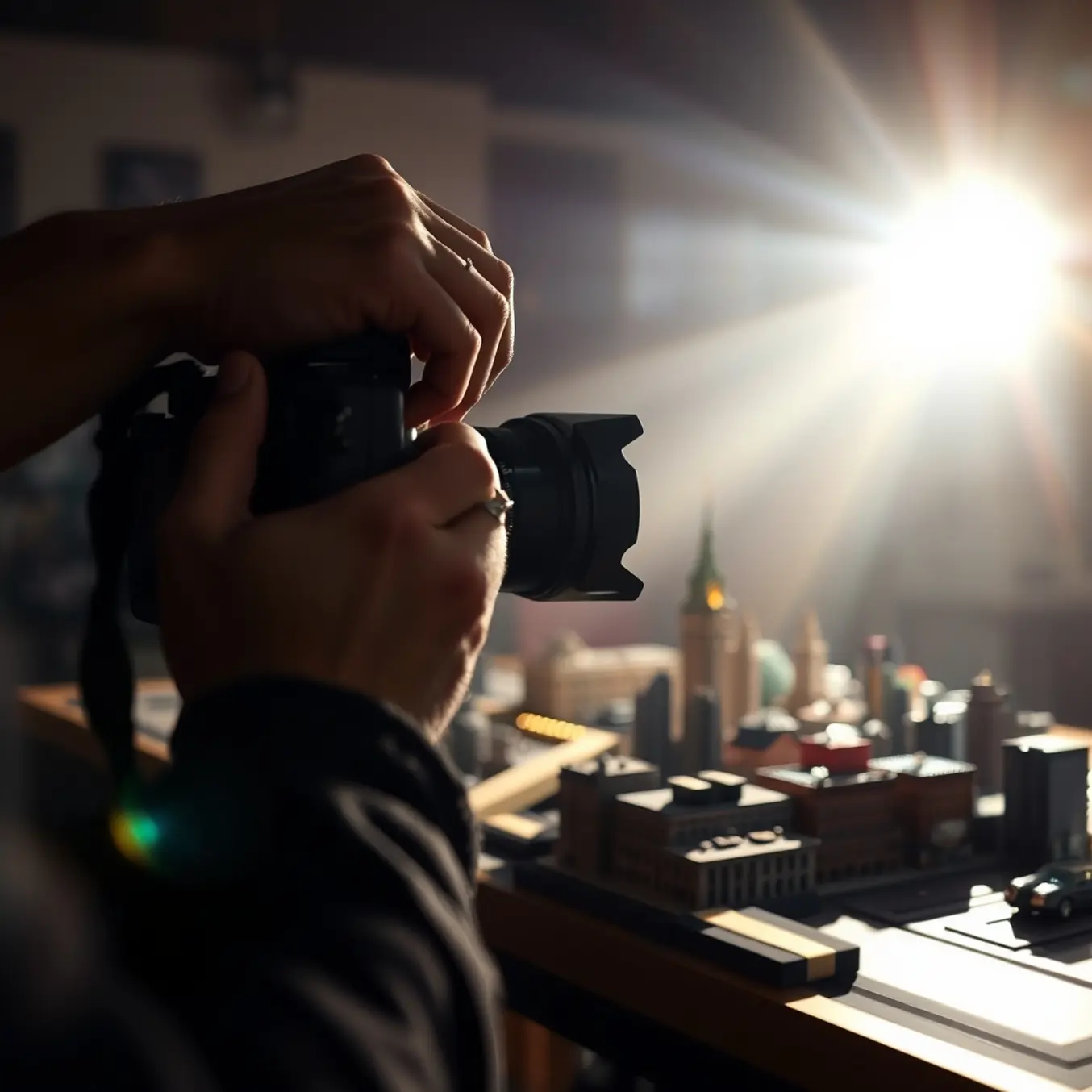
A cinematic image is more than just a photograph; it’s a carefully composed visual narrative that evokes emotion and tells a story. These images often feature dramatic lighting, deliberate composition, and a distinct color palette that work together to create a specific mood or atmosphere. Cinematic visuals typically employ techniques like the rule of thirds, leading lines, and deep focus to guide the viewer’s eye and create a sense of depth and dimension.
Moreover, cinematic quality is heavily dependent on lighting. Techniques such as chiaroscuro—the strong contrast between light and dark—can add drama and intensity. The choice of color grading also plays a crucial role, with many cinematic images using a limited or desaturated color scheme to enhance the emotional tone. These elements combine to transform a simple image into a powerful storytelling tool.
The Role of Traditional Film Techniques
Traditional filmmaking has long relied on a set of established techniques to create compelling visuals. Key among these are camera angles, shot composition, and movement. For instance, a low-angle shot can make a subject appear powerful or intimidating, while a high-angle shot might convey vulnerability. Similarly, the use of depth of field—where the foreground is in focus and the background is blurred—can direct attention and add a layer of artistic flair.
Another critical aspect is the use of lenses and their inherent characteristics. Wide-angle lenses can exaggerate perspective and create a sense of vastness, while telephoto lenses compress space, making elements appear closer together. These techniques, honed over decades of filmmaking, provide a rich toolkit for creating visually arresting images that resonate with audiences on an emotional level.
Merging Film Techniques with AI Generation
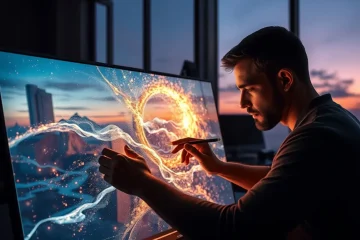
Artificial intelligence is now bringing these time-honored film techniques into the digital age. AI image generators can be prompted to incorporate specific cinematic elements, allowing creators to produce visuals that were once the domain of high-budget film productions. By using descriptive prompts that reference lighting styles, camera angles, and color palettes, users can guide AI to generate images with a distinctly cinematic feel.
For example, prompting an AI with terms like “film noir lighting,” “anamorphic lens flare,” or “cinematic wide shot” can yield results that mimic the aesthetic of classic films. This fusion of traditional knowledge and modern technology democratizes visual storytelling, enabling artists and marketers to create professional-grade imagery without extensive resources. Our guide on the top AI art styles to explore in 2025 delves deeper into how these trends are shaping digital art.
Creating Compelling Visual Storytelling with AI
The true power of combining cinematic principles with AI lies in enhanced storytelling. AI tools can generate consistent visual themes across a series of images, which is invaluable for creating cohesive narratives in projects like graphic novels, advertising campaigns, or brand storytelling. This consistency helps maintain a uniform mood and style, crucial for engaging the audience.
Furthermore, AI allows for rapid experimentation. Creators can quickly iterate on different cinematic styles—from the muted tones of a period drama to the vibrant hues of a sci-fi epic—to find the perfect visual language for their story. This flexibility accelerates the creative process and opens up new possibilities for visual expression. As these technologies evolve, they are set to redefine the boundaries of digital art and cinematography.
In conclusion, the marriage of traditional cinematic techniques with AI generation is not just a trend but a significant evolution in visual arts. By understanding and applying the principles that make an image cinematic, creators can leverage AI to produce stunning, emotionally resonant visuals that captivate and tell stories in powerful new ways.
Top AI Image Generators for Cinematic Output
Creating truly cinematic AI images requires tools capable of producing high-resolution, atmospheric visuals with professional-grade detail. Several platforms have emerged as leaders in this specialized field, each offering unique advantages for filmmakers, digital artists, and content creators seeking that signature cinematic look.
Midjourney: The Cinematic Powerhouse
Midjourney consistently ranks as the top choice for cinematic AI imagery, particularly through its Discord-based interface. The platform excels at creating atmospheric scenes with dramatic lighting, filmic color grading, and professional composition. According to Digital Trends, Midjourney’s understanding of cinematic terminology and visual storytelling sets it apart from competitors. Users can achieve remarkable results by incorporating specific camera and lighting references in their prompts.
Stable Diffusion with Custom Models
For creators seeking maximum control, Stable Diffusion offers unparalleled flexibility through custom models and extensions. Platforms like Stability AI provide the foundation, while community-developed models such as DreamShaper and Realistic Vision specialize in photorealistic, cinematic outputs. The open-source nature allows for extensive customization, making it ideal for filmmakers who need consistent character generation and scene continuity throughout projects.
DALL-E 3: Precision and Detail
OpenAI’s DALL-E 3 stands out for its exceptional prompt understanding and ability to render complex scenes with precise detail. As noted in OpenAI’s research, the model demonstrates improved spatial reasoning and text rendering capabilities, crucial for creating authentic cinematic compositions. Its integration with ChatGPT provides an intuitive interface for refining prompts and iterating on visual concepts.
Essential Software and Hardware Considerations
Beyond choosing the right AI platform, achieving professional cinematic results requires careful consideration of your technical setup and workflow integration.
Post-Processing Software Integration
Professional cinematic workflows almost always involve post-processing AI-generated images through traditional editing software. Adobe Photoshop, with its growing suite of AI tools, remains the industry standard for refining AI outputs. Similarly, DaVinci Resolve offers powerful color grading capabilities that can transform AI-generated frames into truly cinematic visuals. These tools help address common AI artifacts while enhancing the professional quality of your images.
Hardware Requirements for Cinematic Generation
Generating high-resolution cinematic images demands substantial computational resources. For local generation using tools like Stable Diffusion, a powerful GPU with at least 8GB VRAM is essential. According to Puget Systems, NVIDIA’s RTX 40-series cards provide the optimal balance of performance and efficiency for AI image generation. Cloud-based solutions offer an alternative for creators without high-end hardware, though they may involve subscription costs.
Workflow Optimization Tips
Successful cinematic AI generation involves strategic workflow planning. Start with lower-resolution generations to refine your prompts and composition before committing to high-resolution outputs. Use iterative refinement, gradually adding specific cinematic elements like lighting conditions, camera angles, and atmospheric effects. Many professionals combine multiple AI tools, using each for its particular strengths before final assembly in post-production software.
For creators exploring different visual approaches, our guide to top AI art styles to explore in 2025 provides additional inspiration for developing your cinematic vision across various aesthetic directions.
Mastering Cinematic AI Prompts
Creating cinematic AI images requires understanding how to translate film terminology into effective prompts. By using specific cinematic keywords, you can guide AI models to produce consistently stunning results across various genres. This approach transforms generic AI outputs into professional-looking cinematic scenes.
Essential Cinematic Keywords
Start with fundamental film terms that establish visual mood and composition. Keywords like “cinematic lighting,” “dramatic shadows,” and “atmospheric” immediately signal to the AI that you want a film-like aesthetic. For composition, use terms such as “rule of thirds,” “leading lines,” and “depth of field” to create professional framing.
Camera angles and movements are equally important. Specify “low angle shot,” “Dutch angle,” or “tracking shot” to control perspective and dynamism. According to StudioBinder’s cinematography guide, these techniques directly influence how viewers perceive your scene emotionally.
Genre-Specific Prompt Formulas
Different film genres require distinct visual approaches. For film noir, combine “high contrast black and white,” “chiaroscuro lighting,” and “smoke-filled room” with character descriptions like “hard-boiled detective.” Science fiction benefits from “neon-lit cyberpunk cityscape,” “holographic interfaces,” and “futuristic architecture.”
Fantasy genres respond well to “epic wide shot,” “magical glow,” and “mythical creatures” paired with environmental details. As noted in our AI art styles guide, understanding genre conventions helps create more authentic and compelling images.
Advanced Lighting and Atmosphere
Lighting terminology dramatically impacts your results. Use specific terms like “golden hour,” “blue hour,” “rim lighting,” or “volumetric lighting” to control mood and time of day. Atmospheric conditions such as “misty morning,” “rain-slicked streets,” or “hazy sunset” add emotional depth and realism.
The No Film School lighting guide emphasizes that proper lighting terminology can transform flat images into cinematic masterpieces. Combine these with color grading terms like “teal and orange color palette” or “desaturated tones” for professional color treatment.
Camera and Lens Specifications
Include technical camera details to enhance realism. Specify “anamorphic lens flare,” “shallow depth of field,” or “wide aperture” for that authentic film look. Focal length terms like “50mm portrait lens” or “24mm wide angle” help control perspective distortion and composition.
Film stock references like “Kodak Portra 400” or “Fujifilm Superia” can influence color rendering and grain structure. These technical details, when combined with creative direction, produce images that feel genuinely cinematic rather than computer-generated.
Character and Action Direction
Direct characters using film terminology for more dynamic results. Use “medium close-up,” “over-the-shoulder shot,” or “two-shot” to frame interactions. Action descriptions like “slow-motion capture,” “freeze frame,” or “rack focus” create movement and emphasis within static images.
Emotional cues such as “tense confrontation,” “joyful reunion,” or “melancholic reflection” help the AI understand the scene’s emotional context. This human element, combined with technical specifications, creates truly compelling cinematic narratives.
Consistent Style Across Genres
Maintain cinematic quality by establishing consistent visual language. Start prompts with overarching style statements like “cinematic masterpiece,” “award-winning cinematography,” or “Hollywood blockbuster style.” Then layer genre-specific elements while maintaining core cinematic principles.
Remember that successful prompts balance technical specifications with creative vision. As PremiumBeat’s cinematic guide suggests, the most compelling images tell stories through their visual language, not just their subject matter.
Cinematic Lighting: The Foundation of Mood
Cinematic lighting is the cornerstone of creating evocative AI art, transforming simple prompts into scenes brimming with emotion. Unlike standard illumination, cinematic lighting is deliberate. It sculpts subjects, directs the viewer’s eye, and establishes the core atmosphere of an image. For AI art generators, understanding and specifying these lighting styles is the key to unlocking powerful, narrative-driven visuals.
Three classic lighting setups form the basis of most cinematic looks. First, Rembrandt lighting creates a dramatic, classic portrait style characterized by a small, inverted triangle of light on the subject’s cheek that is in shadow. This technique adds depth and a touch of mystery. Second, Chiaroscuro, a technique borrowed from Renaissance painting, employs stark contrasts between light and dark to create a powerful, high-drama mood. Finally, soft lighting minimizes harsh shadows, often creating a romantic, ethereal, or serene feeling. By using prompt terms like “dramatic Rembrandt lighting,” “high-contrast chiaroscuro,” or “soft, diffused lighting,” you can guide the AI to produce images with a specific emotional weight [Source: StudioBinder].
Composition Rules That Tell a Story
Beyond lighting, composition is how you arrange elements within the frame to tell a story and guide the viewer’s experience. Filmmakers have relied on proven compositional techniques for decades, and these rules are equally powerful in AI-generated imagery.
The Rule of Thirds is a fundamental principle where the frame is divided into a 3×3 grid. Placing your key subject at the intersection points of these lines creates a more balanced and engaging image than centering the subject. For more dynamic and visually intriguing scenes, the Golden Ratio (or Fibonacci Spiral) offers a natural, flowing composition that leads the viewer’s eye through the image in an aesthetically pleasing spiral. Meanwhile, leading lines—using elements like roads, fences, or architectural features—draw attention directly to your main subject, creating a clear focal point and a sense of journey within the frame [Source: NYFA].
Creating Depth and Atmosphere
A flat image lacks immersion, but by using techniques to create depth, you can make your AI art feel expansive and real. This layered approach is crucial for building a convincing atmosphere.
A powerful method for achieving this is through atmospheric perspective. This technique mimics how distant objects appear less saturated, lighter in tone, and with less contrast due to particles in the atmosphere. Prompting for a “hazy background” or “desaturated distant mountains” can instantly add miles of depth to your landscape. Furthermore, incorporating foreground, midground, and background elements creates a sense of scale and dimension. For instance, an image with “overhanging tree branches in the foreground, a character in the midground, and a misty mountain range in the background” feels multi-layered and tangible. These techniques are essential for moving beyond basic AI art and creating truly captivating scenes, much like the styles explored in our guide on top AI art styles to explore in 2025.
Practical Prompt Engineering for Cinematic AI Art
To effectively apply these concepts, your AI prompts must be specific and descriptive. Instead of a generic prompt, combine these cinematic principles to build a detailed scene description.
For example, consider the difference between a simple prompt and a cinematic one:
- Generic Prompt: “A detective in an office.”
- Cinematic Prompt: “Film noir style, a weary detective sits at his desk in a dimly lit office, lit by a single desk lamp creating harsh chiaroscuro lighting. The composition uses the rule of thirds, with the detective on the left. Slats of light from window blinds cast leading lines across the room, with a hazy, rain-streaked city visible through the window, adding atmospheric depth.”
This level of detail gives the AI a clear blueprint, pulling from the rich vocabulary of cinema to generate an image with a distinct mood, professional composition, and immersive depth.
Mastering Iterative Generation for Cinematic AI Art
Iterative generation represents a fundamental shift from single-prompt creation to a more dynamic, layered approach in AI art production. This methodology involves progressively refining and building upon initial outputs through multiple cycles of generation and adjustment. For cinematic series development, this approach allows artists to maintain visual consistency while exploring creative variations.
The process typically begins with establishing a foundational style and mood through broad descriptive prompts. Subsequent iterations then focus on specific elements like character design, lighting conditions, or environmental details. Many artists find success using established AI art styles as starting points, then customizing them through targeted iterations. This method enables creators to develop distinctive visual languages that remain cohesive across multiple pieces.
Advanced Post-Processing Techniques
Post-processing transforms raw AI-generated images into polished, professional artwork. These techniques bridge the gap between algorithmic creation and human artistic vision. Common approaches include color grading to establish consistent palettes, detail enhancement through sharpening tools, and texture addition to create more organic surfaces.
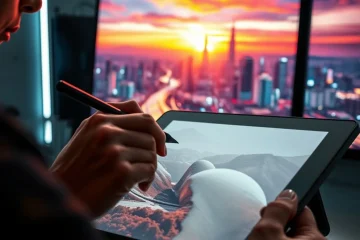
Digital painting applications like Photoshop and Procreate remain essential for refining AI outputs. Artists frequently use layer blending modes to integrate multiple generated elements, while custom brushes help maintain handcrafted textures. Additionally, specialized software like Topaz Labs provides AI-powered upscaling that preserves detail when enlarging images for print or high-resolution displays.
Batch processing workflows have become particularly valuable for cinematic series production. By creating custom actions or presets, artists can apply consistent adjustments across multiple images, ensuring visual harmony throughout a collection. This approach saves significant time while maintaining quality standards across large projects.
Building Cohesive Cinematic Narratives
Creating compelling narratives with AI requires strategic planning and systematic execution. Successful cinematic series often begin with comprehensive world-building documents that establish key elements like time period, architectural styles, and cultural influences. These references provide the consistency needed across multiple generated pieces.
Character development benefits greatly from maintaining detailed reference sheets that include physical attributes, clothing styles, and emotional expressions. When generating character variations, artists should use consistent seed values and prompt structures to preserve core identity elements while exploring different poses or scenarios.