The Ultimate AI Toolkit For Influencers Master Visual Content Creation

The AI Revolution in Influencer Marketing
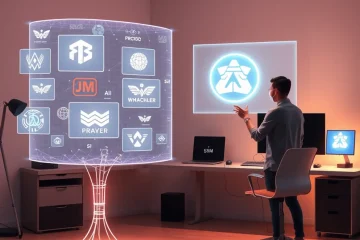
The influencer marketing landscape is undergoing a seismic shift, driven by the rapid integration of artificial intelligence. For creators, this AI revolution in visual content creation is a fundamental upgrade to their creative toolkit, enabling the generation of stunning, brand-aligned imagery, cinematic video editing, and entire visual campaigns from simple text prompts. This leap is crucial for influencers aiming to enhance brand identity, produce content at a competitive pace, and captivate audiences in an increasingly crowded digital space [Source: Forbes].
Traditionally, high-quality visual content required significant time, technical skill, and budget. AI is democratizing this process, allowing an influencer to generate a unique background, remove unwanted objects, or create cohesive campaign graphics in a fraction of the time. This efficiency is transformative, freeing creators to focus on strategy, engagement, and storytelling. The significance extends beyond efficiency to competitive survival; AI empowers influencers to meet sophisticated audience expectations for high production values and fresh content without traditional limitations. It enables exploration of new creative frontiers, such as generating art in specific styles that resonate with a brand’s aesthetic. For instance, exploring top AI art styles can provide a unique visual language. Ultimately, the revolution moves the influencer’s role from sole technician to creative director—guiding the AI, infusing brand personality, and making strategic choices to produce a greater volume of high-quality, on-brand content.
Top AI Tools Every Influencer Needs to Know
For influencers in 2024, a curated AI toolkit is a necessity for scaling content production, enhancing quality, and engaging audiences. Essential tools span several key categories:
AI Image Generation & Visual Branding: Tools like Midjourney (renowned for artistic, detailed outputs), DALL-E 3 (exceptional for prompt understanding and rendering text), and Leonardo.ai (offering extensive control and real-time canvas features) allow for the creation of stunning, on-brand graphics in seconds.
AI Video Editing & Production: Platforms such as Runway ML (for AI-powered video generation and editing), Descript (which edits video via transcript text), and HeyGen (for generating AI avatar videos) streamline editing and enable professional effects.
AI Writing & Content Ideation: Assistants like ChatGPT (for brainstorming and scripting), Jasper (tailored for marketing and brand voice), and GrammarlyGO (for context-aware writing improvements) help maintain a consistent posting schedule.
AI Analytics & Audience Insights: Tools including Hootsuite Insights (for analyzing social conversations and sentiment) and platform-specific aids like TweetHunter provide predictive insights and actionable recommendations for a data-driven strategy.
Creating Stunning Visuals with AI Image Generators
AI image generators like Midjourney and DALL-E have democratized high-quality design, allowing brands to produce bespoke, brand-aligned imagery at scale. The first step is selecting the right platform: Midjourney is ideal for a distinctive, fine-art aesthetic, while DALL-E 3 excels at understanding complex, literal prompts and rendering accurate text [Source: ZDNet].
The key to professional results lies in detailed, strategic prompts. Use a structured formula: define the Subject, specify the Style & Medium, add descriptive Details & Context, and incorporate Brand Parameters like color palette and mood. To ensure brand consistency across all visuals, create a brand style guide for AI with documented prompt formulas, leverage seed numbers for consistent variations, and establish a polish-and-edit workflow. Finally, always optimize AI images for specific social media platforms, tailoring formats for Instagram, Facebook, LinkedIn, and Pinterest. For deeper artistic inspiration, explore our guide on the top AI art styles to explore.
AI-Powered Video Content That Goes Viral
Creating viral video content requires a strategic, data-informed approach, and AI tools provide unprecedented capabilities for trend analysis, concept generation, and polished production. AI-powered analytics can sift through millions of data points to identify emerging trends, popular audio, and high-performing formats in real-time. Furthermore, AI concept generators can produce dozens of video script ideas tailored to current platform trends, ensuring content starts with a foundation of proven appeal.
In production, AI streamlines the entire pipeline. Text-to-video generators can create visual drafts from scripts, while editing tools offer automated clip selection, smart captioning, and dynamic resizing for different platforms. For the final polish, AI enhances critical elements like clickable thumbnails (generated by tools like DALL-E 3), audio cleanup, and even performance prediction by analyzing hooks and pacing. The most viral content, however, carries an authentic core. Use AI as a collaborative tool to execute your vision efficiently, not as a replacement for your unique perspective and emotional connection with the audience.
Smart Editing with AI: From Basic to Professional
AI-powered editing tools are revolutionizing content creation, enabling anyone to achieve professional-quality results with remarkable speed. These platforms automate complex tasks like intelligent background removal, lighting adjustment, and detail upscaling, freeing creators to focus on storytelling. Core capabilities include one-click enhancements for exposure and contrast, intelligent object and background manipulation for precise edits, and automated color grading or style transfer to apply cinematic looks or replicate specific aesthetics [Source: Adobe Firefly].
To build a professional workflow, integrate AI for the heavy lifting first—such as batch processing photos or generating subtitles. Then, use AI for creative augmentation, like generating new visual elements. Finally, employ AI for final polish with features like noise reduction and sharpening. This layered approach ensures efficiency without sacrificing creative control, viewing AI as a collaborative partner that handles repetitive tasks while you make the final creative decisions aligned with your vision.
Brand Consistency Through AI Style Guides
Maintaining a consistent visual identity across dozens of content formats and platforms is a monumental task, with inconsistencies eroding brand recognition and trust. AI-powered tools act as dynamic, always-on brand guardians. Instead of a static PDF, AI can analyze every piece of visual content against pre-defined brand rules, instantly flagging off-brand colors or incorrect fonts. This real-time governance ensures uniformity across all creators and locations.
Beyond compliance, AI can actively generate and adapt content to maintain cohesion. By training an AI model on approved brand assets, you can create a system that produces on-brand visuals automatically for any platform, ensuring the core visual language remains intact. The most powerful application is creating a living style guide that evolves; AI can continuously analyze which visual assets perform best, feeding these data-driven insights back into the guidelines. This creates a feedback loop for a dynamic, cohesive brand identity. For inspiration on defining that core aesthetic, explore our guide on the top AI art styles to explore.
Content Planning & Strategy with AI Analytics
AI-driven analytics transform content strategy by turning raw data into actionable, predictive insights. These tools can forecast emerging trends, identify high-performing formats, and uncover audience preferences, enabling a shift from reactive posting to proactive planning [Source: Forbes]. A core strength is optimizing publishing schedules by examining historical engagement data and real-time audience behavior to recommend times that maximize visibility and interaction [Source: Buffer].
Beyond scheduling, AI delves deep into engagement metrics, performing sentiment analysis on comments and tracking cross-platform performance to suggest adjustments to headlines, visuals, or calls-to-action [Source: HubSpot]. Integrating AI analytics creates a cohesive, adaptive strategy, allowing for efficient resource allocation by highlighting projects with the best ROI. These analytical insights can also inspire visual content direction, such as the top AI art styles to explore in 2025, ensuring content is timely, relevant, and aligned with evolving audience expectations.
Monetizing Your AI-Generated Content
Creating stunning visuals with AI is a viable business, with multiple revenue streams available for monetization.
Selling Digital Products & Merchandise: This direct path includes selling high-resolution files as digital downloads on platforms like Etsy, or using print-on-demand services for physical products like t-shirts and mugs without managing inventory. Submitting work to stock photo websites also creates passive income.
Licensing & Commercial Partnerships: Licensing artwork for exclusive or non-exclusive use can be highly lucrative. Other avenues include minting art as NFTs or securing brand collaborations for custom campaign visuals.
Building a Service-Based Model: Offer your expertise through custom commission work for clients or by selling AI art consultation and prompt engineering services, teaching others how to achieve specific results.
Content Creation & Community Building: Monetize an audience directly by creating educational content (courses, eBooks), offering memberships via Patreon for exclusive access, or generating ad revenue and sponsorships from a popular blog or social channel dedicated to AI art. Refining a unique artistic voice is crucial; exploring the top AI art styles to explore can help identify a profitable niche.
The Future of AI in Influencer Marketing
The future points toward hyper-personalized content at scale, where AI analyzes individual follower data to generate custom video messages and product recommendations, moving marketing to one-to-one communication. Platforms are already integrating these capabilities, like TikTok’s AI-powered “Creative Assistant” for personalized script ideas.
Another trend is the rise of sophisticated AI-driven virtual influencers and “digital twins” for real human influencers. These avatars, powered by companies like Soul Machines, can manage interactions 24/7, allowing the human influencer to scale their presence and explore new virtual revenue streams. Furthermore, predictive analytics will forecast campaign success and identify ideal brand partnerships by analyzing historical data and market trends, reducing guesswork and increasing ROI. AI will also enhance authenticity through co-creation, handling time-consuming tasks like editing and scheduling so influencers can focus on genuine storytelling. To prepare, influencers should adopt a mindset of continuous learning, audit their workflow for automation opportunities, maintain transparency about AI use, and hone the uniquely human skills of storytelling and creative direction.
Getting Started: Your AI Content Creation Roadmap
Integrating AI into your workflow is about adding a powerful co-pilot. Follow this step-by-step guide for immediate implementation:
Step 1: Audit Your Current Workflow
Map your content process from ideation to publication and identify the most time-consuming tasks (e.g., brainstorming, editing, scheduling). These bottlenecks are your prime opportunities for AI assistance [Source: Forbes].
Step 2: Select the Right Tools for Your Niche
Choose tools aligned with your primary content format. Visual creators might start with an AI image generator like Pictomuse, while writers could leverage a language model. Master one or two core tools first to avoid overwhelm.
Step 3: Develop a Hybrid Creation Process
Use AI for heavy lifting—generating image concepts or draft captions—then apply your unique voice and brand aesthetic to refine the output. This ensures authenticity at scale. For example, generate images in a trending AI art style and personally curate the best fits.
Step 4: Implement, Analyze, and Iterate
Put your new workflow into action for a campaign and monitor KPIs like engagement rates and time saved. Use these insights to refine prompts and adjust your tool stack. This is an iterative process for building a sustainable, AI-augmented content engine [Source: Buffer].
Sources
- Adobe – Adobe Firefly
- Buffer – AI Content Creation
- Buffer – AI Social Media Marketing
- Descript – Descript
- Forbes – How To Integrate AI Into Your Content Creation Workflow
- Forbes – The AI Revolution In Influencer Marketing
- Forbes – The Future Of NFTs Beyond The Hype
- Forbes – How AI Is Transforming Content Marketing Strategy
- Grammarly – GrammarlyGO
- HeyGen – HeyGen
- Hootsuite – Hootsuite Insights
- HubSpot – AI Content Marketing
- Jasper – Jasper.ai
- Leonardo – Leonardo.ai
- Midjourney – Midjourney
- OpenAI – ChatGPT
- OpenAI – DALL-E 3
- Pictomuse – Pictomuse Blog
- Pictomuse – Top AI Art Styles To Explore In 2025
- Runway ML – Runway ML
- Soul Machines – Soul Machines
- TikTok – Creative Assistant AI
- TweetHunter – TweetHunter
- ZDNet – Best AI Image Generator