10 Creative AI Prompts You Can Try Today
The Art of Prompt Engineering
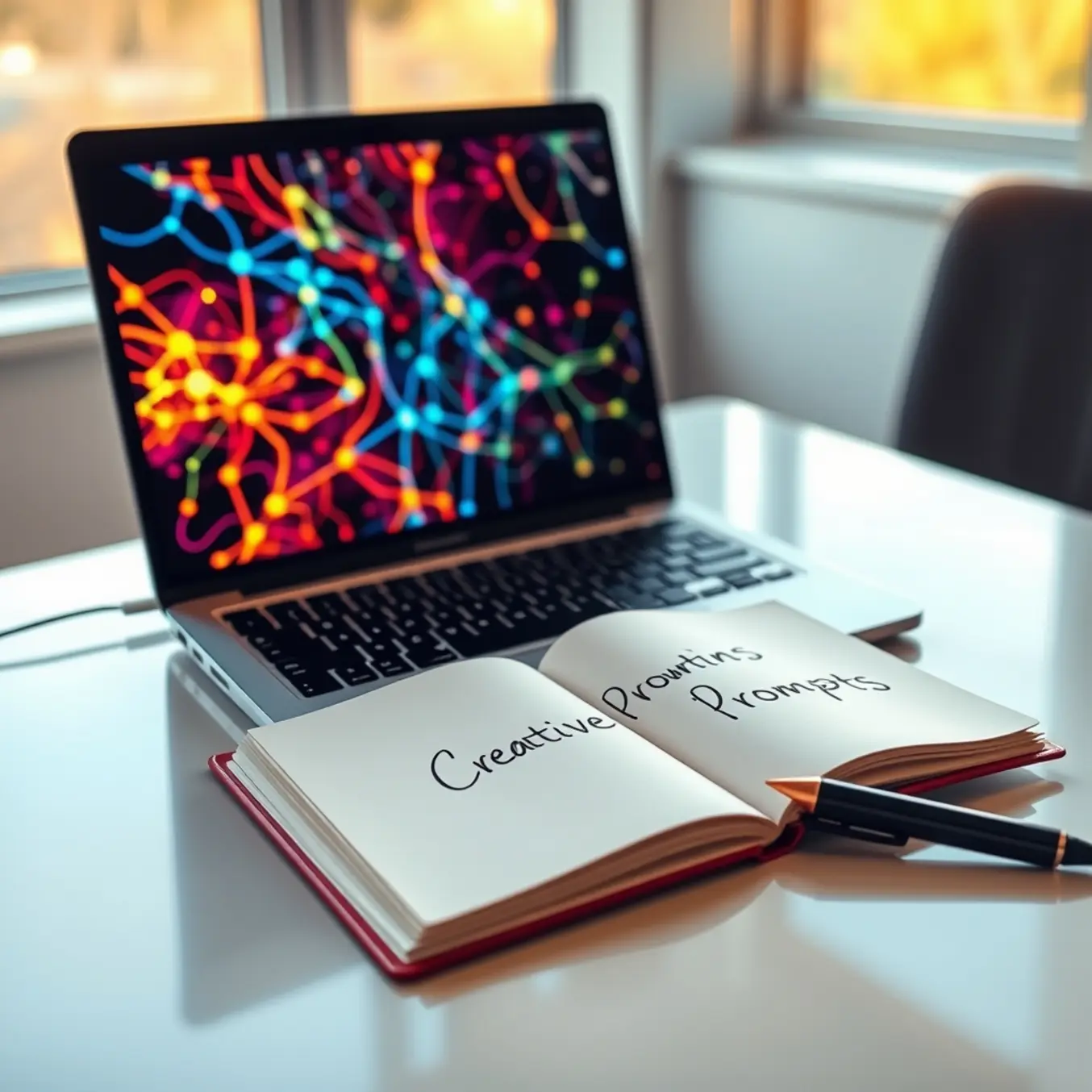
Prompt engineering is the strategic practice of designing inputs that guide artificial intelligence systems to produce desired outputs. This skill has become increasingly valuable as AI tools like DALL-E, Midjourney, and ChatGPT have grown more sophisticated. Effective prompt engineering transforms vague requests into precise instructions that unlock an AI’s full creative potential.
The foundation of successful prompt engineering lies in understanding how AI models interpret language. These systems don’t comprehend meaning in the human sense—they recognize patterns and relationships within their training data. Therefore, the words you choose and how you structure them significantly impact the quality and relevance of the generated content.
Core Principles of Effective Prompts
Several key principles separate mediocre prompts from exceptional ones. First, specificity is crucial. Instead of requesting “a landscape,” specify “a misty mountain landscape at sunrise with pine trees in the foreground, photorealistic style.” This level of detail provides the AI with concrete visual elements to work with.
Second, include relevant context and constraints. For example, adding “in the style of Van Gogh” or “using a cinematic color palette” gives the AI artistic direction. Similarly, specifying aspect ratios, lighting conditions, or camera angles for visual content helps narrow the creative possibilities toward your vision.
Third, use clear, unambiguous language. Avoid metaphors or abstract concepts unless you provide concrete examples. AI systems typically perform better with literal descriptions than with poetic language that requires cultural or contextual interpretation.
Structuring Your Prompts for Maximum Impact
Professional prompt engineers often follow structured formats that organize information logically. A common approach includes these elements:
- Subject: The primary focus or main character
- Action/Activity: What the subject is doing
- Environment/Setting: Where the scene takes place
- Style/Medium: Artistic style or technical specifications
- Mood/Lighting: Emotional tone and visual atmosphere
For instance, “A knight (subject) standing guard (action) at a medieval castle gate (environment), digital painting style (medium), dramatic lighting with long shadows (lighting), solemn mood (mood)” provides comprehensive guidance across multiple dimensions.
Advanced Techniques for Refining Results
Beyond basic structure, several advanced techniques can enhance your prompt engineering. Weighting specific elements using syntax like (keyword:1.5) tells the AI to emphasize certain aspects more heavily. Negative prompting—specifying what you don’t want to see—can eliminate unwanted elements from your results.
Iterative refinement represents another powerful approach. Start with a basic prompt, analyze the output, then gradually add or modify elements based on what works. This process of successive approximation often yields better results than attempting to create the perfect prompt in a single attempt.
Reference artists or specific artistic movements to leverage the AI’s training on recognized styles. However, be mindful that referencing living artists may raise ethical considerations regarding style imitation.
Practical Applications Across Domains
Effective prompt engineering extends beyond visual art into numerous applications. Writers use carefully crafted prompts to generate article outlines, marketing copy, or creative story ideas. Developers employ prompt engineering to generate code snippets, debug programs, or create technical documentation.
In business contexts, well-designed prompts can produce market analysis reports, customer service responses, or strategic planning documents. The common thread across these applications is the ability to translate human intention into AI-understandable instructions that yield useful, context-appropriate results.
According to research from Stanford University, systematic prompt engineering can improve AI output quality by 30-50% compared to basic instructions. This significant improvement demonstrates why developing this skill delivers substantial practical benefits.
Common Pitfalls and How to Avoid Them
Many prompt engineering beginners make similar mistakes that limit their results. Overloading prompts with too many conflicting elements often confuses the AI rather than providing clearer direction. Similarly, using vague qualifiers like “beautiful” or “interesting” rarely improves outcomes since these terms lack concrete visual or textual representation.
Another frequent error involves assuming the AI understands context that hasn’t been explicitly stated. Unlike humans, AI systems typically don’t infer missing information unless their training specifically connects related concepts. Therefore, explicitly stating important contextual elements usually produces better results.
The OpenAI documentation recommends testing prompts across multiple generations to identify consistent patterns in the AI’s interpretation. This approach helps distinguish between one-off anomalies and systemic misunderstandings in how your prompts are being processed.
Developing Your Prompt Engineering Skills
Becoming proficient at prompt engineering requires practice and systematic learning. Start by analyzing successful prompts shared by other users in AI communities. Note how they balance specificity with flexibility and which elements consistently produce better results.
Maintain a prompt library documenting what works and what doesn’t across different projects. Over time, you’ll develop intuition for how different AI models respond to various phrasing strategies and structural approaches.
Remember that prompt engineering remains an evolving discipline as AI capabilities advance. Techniques that work today may need adjustment as models improve. Staying current with industry developments ensures your skills remain relevant as the technology progresses.
Storytelling Mastery
Storytelling is a fundamental human experience, and AI tools now offer unprecedented ways to generate compelling narratives. By using carefully crafted prompts, writers can create rich character arcs and engaging plots that captivate readers from the first sentence to the last. These prompts serve as creative catalysts, helping overcome writer’s block while maintaining authorial control over the final narrative direction.
Effective storytelling prompts typically include specific elements like character motivations, conflict scenarios, and desired emotional outcomes. For example, a prompt might specify: “Write about a reluctant hero who must confront their past to save their community, focusing on internal conflict and gradual character transformation.” This approach ensures the AI understands the narrative depth you’re seeking while leaving room for creative interpretation.
Character Development Prompts
Creating memorable characters requires depth and authenticity. Use prompts that explore character backgrounds, flaws, and growth opportunities. A strong character prompt might include: “Develop a protagonist who starts as cynical and self-serving but learns to care for others through specific challenges. Include their internal monologue and pivotal moments that change their perspective.”
Research from Writers.com shows that the most compelling characters often have clear motivations, relatable flaws, and meaningful arcs. Meanwhile, visual storytelling techniques can complement character development by creating vivid settings that reflect character emotions and journeys.
Plot Structure and Pacing
Engaging plots require careful structure and rhythm. Effective prompts should specify the desired narrative framework, whether it’s the classic three-act structure, a hero’s journey, or a more experimental format. For instance: “Create a mystery plot where clues are revealed gradually, with rising tension leading to an unexpected but logical resolution. Include two major plot twists and ensure all loose ends are tied up satisfactorily.”
According to Reedsey’s analysis, successful plots typically include inciting incidents, rising action, climax, and resolution. The pacing should vary throughout the story, with faster sequences during action scenes and slower, more reflective moments for character development and emotional depth.
Genre-Specific Storytelling
Different genres require distinct narrative approaches. Romance prompts might focus on emotional chemistry and relationship development, while science fiction often needs world-building and technological elements. A fantasy prompt could specify: “Build a magical world with unique rules and limitations, then create a quest narrative where the magic system’s constraints create both challenges and solutions for the characters.”
MasterClass guidelines emphasize that understanding genre conventions helps create stories that satisfy reader expectations while offering fresh perspectives. The most successful AI-generated stories often blend familiar genre elements with unexpected twists that surprise and delight readers.
Dialogue and Emotional Depth
Compelling dialogue drives narratives forward while revealing character personalities and relationships. Effective prompts for dialogue might include: “Write a tense conversation between two characters with conflicting goals, using subtext and body language to convey what remains unspoken. Ensure each character has a distinct voice and vocabulary that reflects their background.”
Studies from Psychology Today reveal that stories with emotional resonance activate multiple brain regions, creating deeper engagement and memorability. By specifying emotional beats and character relationships in your prompts, you can ensure the generated content connects with readers on a fundamental human level.
Advanced Narrative Techniques
For more sophisticated storytelling, incorporate literary devices and narrative techniques directly into your prompts. Specify elements like foreshadowing, unreliable narrators, or multiple perspectives to create layered, complex narratives. An advanced prompt might request: “Tell the same event from three different character perspectives, showing how their biases and backgrounds color their interpretations, with subtle clues that hint at the objective truth.”
Successful storytelling often balances familiar structures with innovative approaches. As noted in our creative resources, the most memorable stories combine technical excellence with emotional authenticity, creating experiences that resonate long after the final page.
Visual Art & Design Inspiration
Creating compelling AI-generated art begins with thoughtful composition and subject prompts. For instance, specifying “a lone astronaut floating in a nebula, cinematic lighting, hyper-detailed” yields dramatically different results than a simple “space scene” request. Similarly, “a cyberpunk samurai in a neon-lit Tokyo alley, dynamic pose, rain-slicked streets” creates a specific narrative atmosphere that generic prompts miss.
Effective prompting often involves combining unusual elements to spark creativity. Try merging contrasting concepts like “Victorian-era inventor in a steampunk laboratory, intricate brass machinery, glowing crystals” or “art nouveau mermaid in a bioluminescent cave, flowing hair, ethereal lighting.” These detailed descriptions help AI models understand the specific aesthetic you’re aiming to achieve rather than producing generic outputs.
According to research from Stanford University, well-structured prompts that include style references, composition elements, and mood descriptors significantly improve output quality. The study found that prompts containing 3-5 descriptive elements consistently produced more artistically compelling results across multiple AI image generation platforms.
Exploring Artistic Styles and Movements
Drawing inspiration from historical art movements can dramatically enhance your AI art creations. For Renaissance-inspired works, try prompts like “portrait in the style of Leonardo da Vinci, sfumato technique, chiaroscuro lighting” or “Baroque still life with dramatic shadows, rich textures, golden hour lighting.” These style-specific references help the AI replicate distinctive artistic techniques from different periods.
Modern art movements offer equally rich inspiration. For abstract expressionism, consider “Jackson Pollock-inspired drip painting, vibrant color splatters, dynamic composition” or “Cubist portrait, geometric fragmentation, multiple perspectives.” Meanwhile, surrealism prompts like “Dali-esque dreamscape, melting clocks, desert landscape” can produce wonderfully bizarre and imaginative results that push creative boundaries.
Our comprehensive guide on top AI art styles to explore in 2025 delves deeper into emerging trends and techniques that are shaping the future of digital art creation.
Atmospheric and Environmental Prompts
The environment and atmosphere you describe can completely transform your AI-generated artwork. For mystical settings, try “enchanted forest with glowing mushrooms, fairy lights, misty morning, magical realism” or “ancient temple ruins overgrown with vines, dappled sunlight, mysterious atmosphere.” These environmental details help create immersive scenes that tell stories beyond the main subject.
Weather and lighting conditions are particularly powerful tools for setting mood. Prompts like “rainy city street at night, reflections in puddles, neon signs blurred by rain” or “sunbeam breaking through storm clouds, dramatic lighting, epic scale” can elevate simple concepts into emotionally resonant artworks. Similarly, seasonal elements such as “autumn forest, golden leaves, crisp air, nostalgic feeling” add temporal depth to your creations.
A recent study published in Scientific Reports demonstrated that environmental descriptors in AI prompts significantly impact emotional response in viewers. The research found that scenes with detailed atmospheric elements were rated 47% higher in emotional engagement compared to basic subject-only prompts.
Character and Creature Design Inspiration
Character creation through AI offers endless possibilities for artistic exploration. For fantasy characters, consider “elven queen with crystalline crown, ethereal beauty, flowing silk robes, magical aura” or “steampunk inventor with mechanical arm, goggles, leather apron, workshop background.” These detailed descriptions help the AI understand not just appearance but personality and context.
Mythological and original creature designs benefit from specific anatomical and textural details. Try prompts like “dragon with iridescent scales, intelligent eyes, ancient wisdom, perched on mountain peak” or “bioluminescent deep-sea creature, transparent skin, glowing internal organs, alien beauty.” Combining real-world biological features with fantastical elements often produces the most compelling results.
For historical or cultural characters, accuracy and specificity matter. “Edo period samurai in full armor, traditional Japanese landscape, cherry blossoms, stoic expression” or “1920s flapper with art deco jewelry, speakeasy setting, vintage photograph style” can yield remarkably authentic-looking period pieces when paired with appropriate style references.
Architectural and Structural Concepts
Architectural prompts allow for exploration of both real and imagined structures. For futuristic designs, consider “floating city in the clouds, art deco meets cyberpunk, gleaming spires, aerial perspective” or “submarine research station, bioluminescent coral integration, pressure-resistant domes, deep ocean setting.” These concepts blend functionality with aesthetic appeal.
Historical and fantasy architecture offers rich visual possibilities. Try “Gothic cathedral with flying buttresses, stained glass windows, moonlit night, mystical atmosphere” or “ancient Egyptian temple, hieroglyph-covered walls, sandstone construction, desert oasis location.” The key is combining architectural style with environmental context to create cohesive scenes.
According to research presented at the CHI Conference on Human Factors in Computing Systems, architectural prompts that include both structural details and contextual elements produce significantly more visually coherent results. The study recommends including at least one material reference, one scale indicator, and one environmental context element for optimal output quality.
Abstract and Conceptual Art Exploration
Abstract art prompts challenge AI systems to interpret emotions and concepts visually. For emotional expressions, try “visual representation of melancholy, blue tones, flowing forms, subtle texture” or “celebration of joy, explosive colors, dynamic shapes, energetic composition.” These abstract concepts allow for personal interpretation while guiding the overall aesthetic direction.
Scientific and mathematical concepts can inspire stunning abstract visuals. Consider “fractal patterns, infinite complexity, natural forms, vibrant color gradient” or “quantum physics visualization, particle interactions, luminous energy, cosmic scale.” Similarly, philosophical ideas like “representation of time, flowing elements, cyclical patterns, metaphysical concept” can produce thought-provoking artwork.
Texture and material-focused abstracts offer another creative avenue. Prompts like “liquid mercury surface, reflective quality, organic shapes, metallic sheen” or “crystalline structures growing, geometric patterns, transparent layers, light refraction” emphasize material properties over recognizable forms, resulting in uniquely textured compositions that explore the boundaries of visual perception.
Poetry & Creative Writing
Structured poetry forms provide a creative framework that can paradoxically unlock greater freedom of expression. By working within a set pattern of meter, rhyme, or syllable count, writers are forced to make deliberate, thoughtful word choices. This process often leads to more powerful and evocative imagery than free-form writing. For instance, the strict 5-7-5 syllable structure of a haiku demands precision, compelling the poet to distill a moment or observation to its essence. Similarly, the rhythmic patterns of a sonnet can guide the emotional arc of a poem, creating a natural progression from problem to resolution.
Inspirational Prompts for Different Poetic Forms
Beginning with a specific prompt can help focus your creative energy. Here are several structured forms to explore, each with a starting idea:
- Haiku (5-7-5 syllables): Describe a sudden change in weather using sensory details.
- Sonnet (14 lines, iambic pentameter): Explore the duality of a memory—how it brings both joy and sorrow.
- Villanelle (19 lines, repeating lines): Write about an obsession or a thought you can’t escape.
- Pantoum (repeating lines in a specific pattern): Capture the cyclical nature of a relationship or a habit.
These constraints are not limitations but creative catalysts. As the Poetry Foundation notes, poetic forms “create a resonance between otherwise disparate images or ideas” [Source: Poetry Foundation]. Meanwhile, the creative process in writing shares similarities with other art forms; exploring different AI art styles can also provide unexpected visual inspiration for your poems.