How to Master 7 Midjourney Prompt Techniques
The Rise of AI-Generated Art
The world of digital art is undergoing a seismic shift, driven by the rapid advancement of artificial intelligence. AI-generated art, once a niche technical curiosity, has exploded into the mainstream, fundamentally altering how creators, marketers, and businesses produce visual content. This technology leverages sophisticated machine learning models, primarily trained on vast datasets of existing images and art, to generate entirely new visuals from simple text descriptions known as prompts [Source: ARTnews]. Consequently, the barrier to creating high-quality, unique imagery has never been lower. Artists can now explore complex styles and concepts in minutes, while brands can generate tailored marketing assets at scale without extensive photoshoots or design budgets. This democratization of visual creation is fueling a new creative economy, where the primary tools are imagination and strategic prompting. For a deeper dive into the specific tools powering this revolution, explore our guide to the top AI tools transforming digital art in 2025. Mastering the art of Midjourney Prompt Engineering is a key skill in this new landscape, allowing creators to precisely translate their vision into stunning visuals.
From Text to Visual Masterpiece
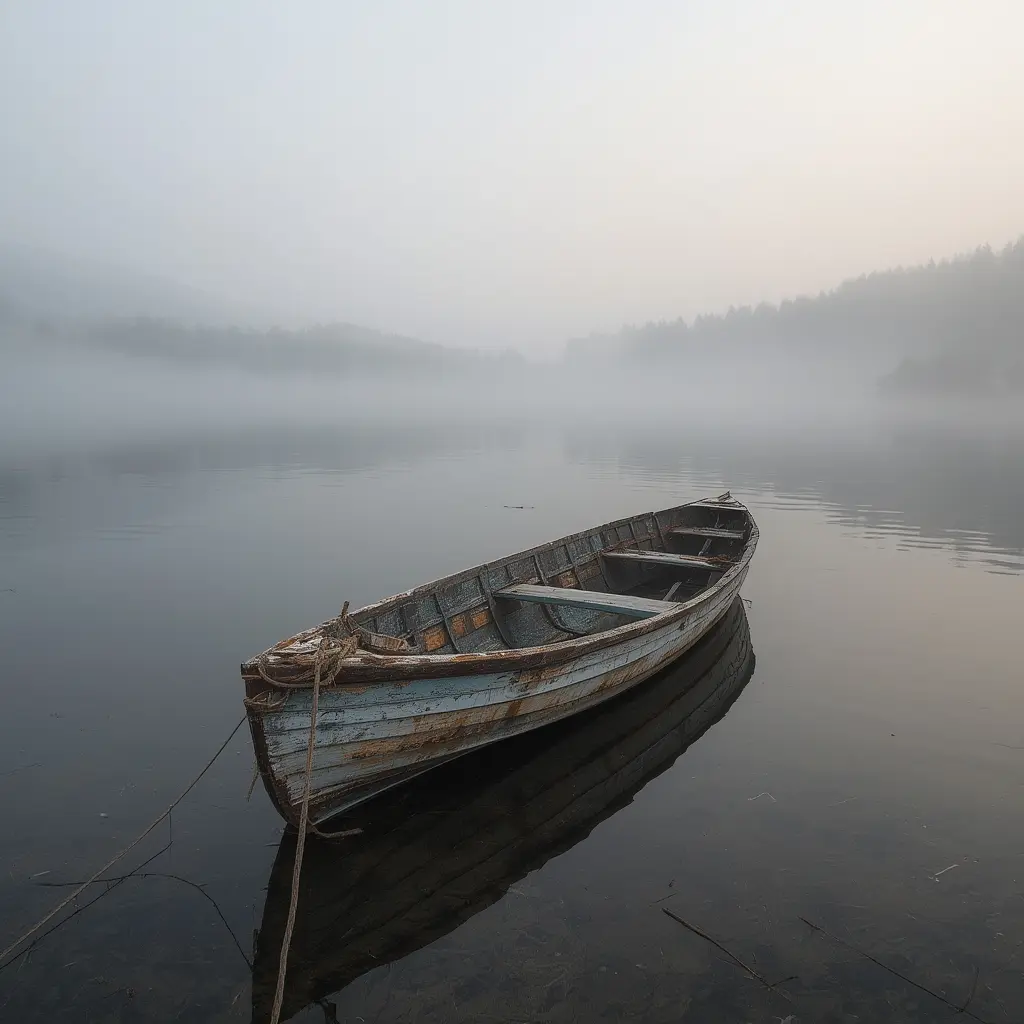
At its core, the process is elegantly simple yet profoundly powerful. A user inputs a descriptive text prompt—like “a serene landscape at dusk with a cyberpunk city in the distance, digital art”—and the AI model interprets this language to synthesize a corresponding image. This capability stems from models like DALL-E, Midjourney, and Stable Diffusion, which have learned the intricate relationships between words and visual elements [Source: The New York Times]. Moreover, the quality and specificity of the output are directly tied to the user’s skill in crafting effective prompts. Mastering this skill is essential for achieving consistent, professional results. Beginners can start their journey with our ultimate guide to writing perfect AI prompts, while those looking to refine their technique can follow our step-by-step guide to writing better prompts.
A New Creative and Commercial Frontier
The implications of this technology extend far beyond hobbyist experimentation. In the commercial sphere, AI art is revolutionizing workflows. Marketing teams use it to create dynamic social media ads and branded content rapidly, a strategy detailed in our guide to using AI images in paid social ads. Similarly, product designers can generate photorealistic renders and mockups without 3D modeling software, as shown in our guide to creating professional product renders with AI. Furthermore, entire business models are emerging. Entrepreneurs are leveraging AI to create art for print-on-demand services, turning prompts into profitable ventures. Our comprehensive guide on how to make AI art for print-on-demand explores this lucrative opportunity. The fusion of human creativity and machine efficiency is not replacing artists but rather augmenting their capabilities, opening doors to unprecedented forms of expression and commercial application.
The Evolution of AI Art: From Niche Experiment to Mainstream Medium
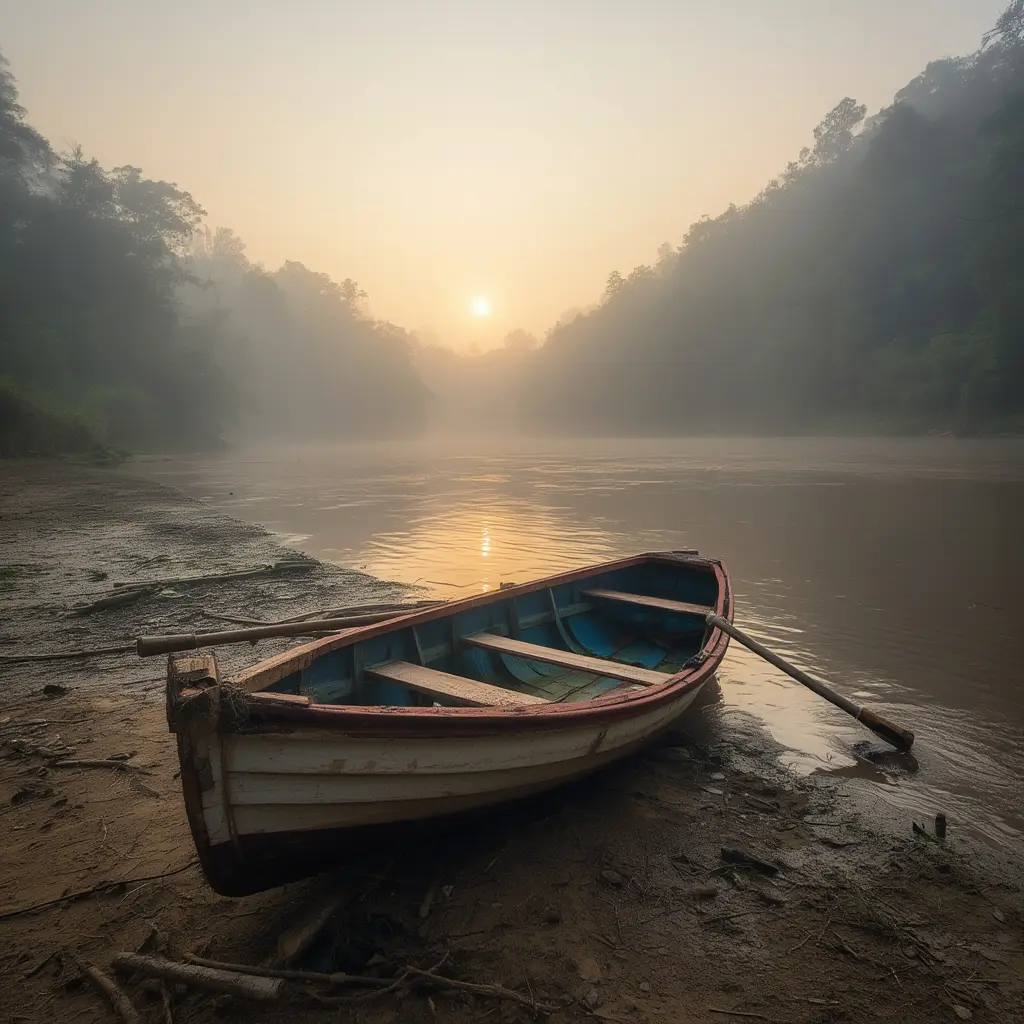
The journey of AI-generated art is a story of rapid, unprecedented evolution. In just a few years, it has transformed from a technical curiosity into a powerful, accessible creative medium. Initially, early tools produced abstract, often surreal outputs that fascinated researchers but lacked practical application. However, breakthroughs in deep learning and generative models, particularly the development of diffusion models, have led to a quantum leap in quality and control [Source: MIT Technology Review]. Today, AI art tools can generate photorealistic portraits, intricate concept art, and stunning landscapes that rival human-created works. This progress is driven by advancements in model architecture, training data quality, and user interface design. Modern platforms offer extensive control through features like inpainting, outpainting, and detailed parameter adjustments, shifting the human role from passive prompt-writer to active director.
Key Technological Milestones and the Democratization of Creation
Several key advancements have fueled this creative revolution. The introduction of models like Stable Diffusion and DALL-E 2 provided artists with unprecedented fine-grained control through text prompts, moving beyond simple style transfer. The development of specialized models for tasks like realistic portrait creation and landscape generation has pushed the boundaries of quality. Meanwhile, innovations in upscaling and detail refinement have made AI art viable for professional applications, from product renders to high-quality printing. Perhaps the most significant impact is the democratization of art creation. High-quality visual generation is no longer gated by years of technical training or expensive software. Now, marketers, entrepreneurs, and hobbyists can create stunning visuals in simple steps or build profitable print-on-demand businesses.
The Shift from Tool to Creative Partner
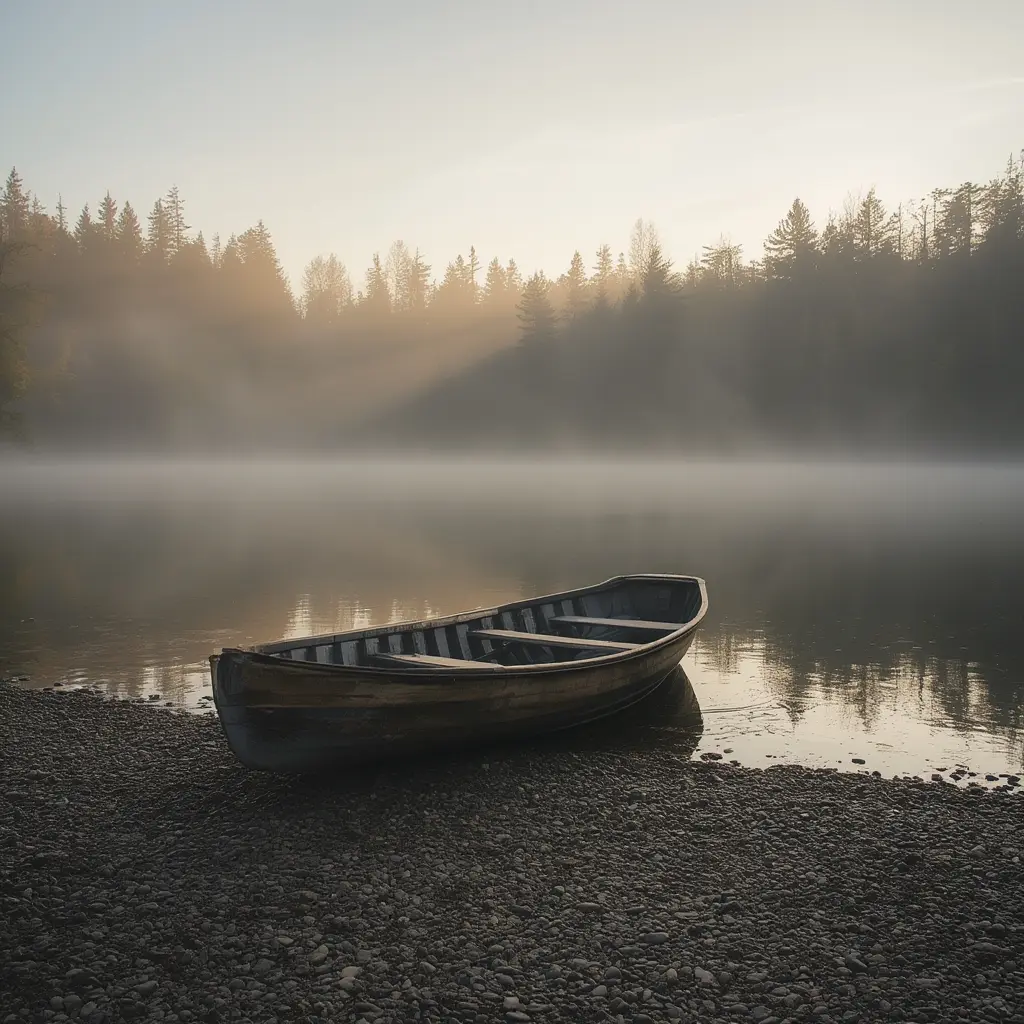
The most significant evolution is not just in output quality, but in the creative workflow itself. AI is no longer merely a tool for generating a final image; it is becoming an integral part of the entire creative process. Artists use it for rapid prototyping, exploring color palettes, generating texture references, and creating variations on a core theme. This collaborative dynamic is redefining artistic fields, from digital illustration and marketing to product design and film pre-visualization [Source: Pictomuse]. The focus has shifted from mere generation to refinement and consistency, with guides on fixing anatomical details and maintaining character consistency becoming essential reading. As we look forward, the integration of AI into creative suites suggests a future where human and machine collaboration is seamless, fundamentally expanding the canvas of human imagination [Source: Pictomuse]. In this evolving partnership, the principles of effective Midjourney Prompt Engineering remain central to directing the AI’s creative power.
Conclusion: The Established Pillar of Visual Culture
AI-generated art has evolved from a novelty to a permanent and transformative pillar of modern visual culture. The conversation has matured from questioning its validity to exploring its vast potential for enhancing creativity, efficiency, and commercial success. Today, the field is characterized by both hyper-realism and boundless stylistic exploration, with artists mastering techniques for achieving photorealism and creating 3D-style images, while also exploring novel AI art styles. The mainstreaming of AI art signifies not a replacement of human creativity, but the emergence of a powerful, collaborative partnership. As tools become more intuitive and integrated, the barrier between idea and execution continues to dissolve, empowering a new generation of creators. The ongoing mastery of Midjourney Prompt Engineering and similar disciplines will be key to navigating this exciting future, ensuring that human vision continues to guide the incredible capabilities of generative AI.
Sources
- arXiv – Generative Adversarial Networks
- arXiv – Hierarchical Text-Conditional Image Generation with CLIP Latents
- ARTnews – AI Art History Explained
- ARTnews – What Is AI Art?
- Business Insider – How AI Art Tools Are Changing Design and Marketing
- Forbes – The Remarkable Evolution of AI Art
- MIT Technology Review – This AI Art Generator Is Smarter Than Ever Before
- MIT Technology Review – AI Art Is Becoming More Mainstream
- MIT Technology Review – The Evolution of Generative AI Art
- The New York Times – A.I. Is Making It Easier Than Ever for Artists to Mimic a Style. Is That a Good Thing?